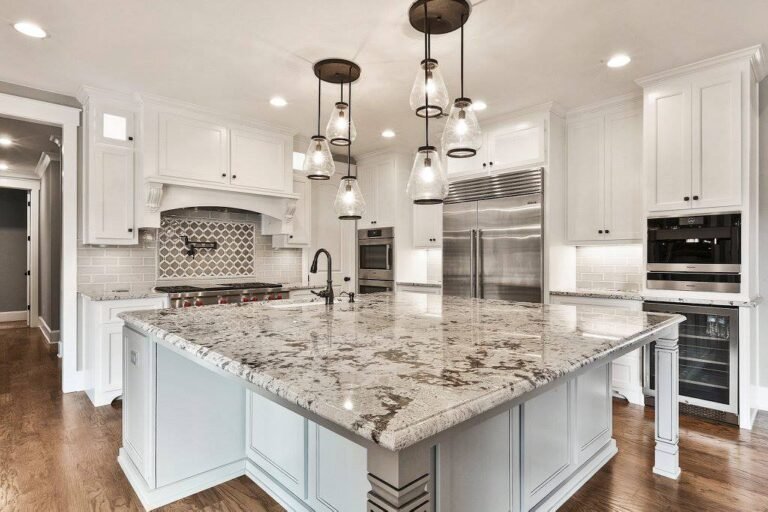
Selecting the perfect stain for natural timber surfaces is one of the most transformative decisions you can make during a home renovation. The shade you select anchors your interior design, dictates lighting dynamics, and sets the tone for your living space for decades. Consulting with specialists like My Flooring Expert Hardwoodallows homeowners to explore custom finishes tailored to their specific lifestyle and architectural aesthetic. Mastering the process of choosing hardwood stain colors requires evaluating natural light, room dimensions, wood species, and daily maintenance needs to achieve a balanced, elegant finish.
Why Choosing Hardwood Stain Colors Matters
Hardwood flooring is a long-term architectural investment that outlasts changing decor trends. While paint shades and furniture arrangements can be altered easily, altering a wood floor finish requires a comprehensive sanding and refinishing process.
The stain color you select influences how large or cozy a room feels, how easily dust and pet hair show, and how well your floors harmonize with cabinetry and trim. Making an informed choice upfront protects your investment and ensures your living spaces remain timeless.
Understanding Key Stain Color Categories
Hardwood stains generally fall into four primary color families. Each category offers unique aesthetic advantages and practical characteristics for residential spaces.
Light and Natural Tones
Light stains include blond, natural oak, light ash, and soft whitewashed finishes. These tones reflect ambient light, making smaller rooms or spaces with limited windows feel open, bright, and expansive.
- Best For: Modern, Scandinavian, coastal, and minimalist interiors.
- Maintenance Advantage: Hides dust, pet dander, and small surface scratches exceptionally well.
- Lighting Impact: Maximize natural illumination in dim or enclosed rooms.
Medium Tones
Medium stains, such as traditional honey, warm chestnut, and soft walnut, deliver classic elegance. They strike a balance between light reflection and deep grain definition.
- Best For: Transitional, traditional, and rustic home designs.
- Maintenance Advantage: Offers forgiving daily upkeep while hiding minor foot traffic wear.
- Lighting Impact: Provides warmth without absorbing excessive light.
Dark Tones
Dark stains include deep espresso, dark walnut, charcoal, and true ebony. These rich shades create dramatic contrast, framing light walls and metallic fixtures with luxurious elegance.
- Best For: Modern farmhouse, formal, and high-end contemporary aesthetics.
- Maintenance Advantage: Requires more frequent sweeping, as light dust, pet hair, and lint stand out against dark surfaces.
- Lighting Impact: Absorbs light, making large open floor plans feel grounded and intimate.
Warm vs Cool Undertones
Wood stains also carry subtle temperature undertones. Warm tones feature red, golden, or amber bases, while cool tones feature gray, greige, or muted ash undertones. Matching these undertones to your wall paint and fixed cabinetry prevents visual color clashes.
Key Factors When Choosing Hardwood Stain Colors
A stain sample that looks stunning in a showroom may look completely different inside your home. Several environmental factors dictate how a color actually renders on site.
Wood Species and Natural Grain Variations
Different wood species take up pigments in distinct ways due to varying density, porosity, and natural tannic acids. Red oak possesses strong pink and warm undertones, whereas white oak features cooler, grayish-brown tones that absorb neutral stains cleanly.
Dense hardwoods like maple or Brazilian cherry have tight grain structures that absorb stain less readily, requiring specialized application techniques like water popping to achieve deep, uniform color.
Lighting Conditions
Lighting changes drastically throughout the day and varies across different light sources. Northern-facing rooms receive cool, bluish daylight, which can make warm honey stains appear dull or cool gray stains look overly flat. Southern-facing rooms receive warm, bright sunlight that intensifies warm yellow and red undertones.
| Light Source | Effect on Stain Appearance | Recommended Stain Choice |
| Northern Daylight | Cools down warm tones; accentuates blue/gray hues | Warm medium tones or natural finishes |
| Southern Daylight | Brightens all colors; amplifies red/yellow tones | Cool walnut, neutral brown, or soft espresso |
| Warm LED Lighting | Enhances golden, amber, and rich wood tones | Medium walnut, warm chestnut, or natural oak |
| Cool LED Lighting | Cools down rich colors; accentuates gray tones | Greige, dark charcoal, or muted ash |
Step by Step Testing Process for Homeowners
Never commit to a stain color based on a small paper brochure or digital image on a screen. Follow this essential testing procedure on site before full application begins.
- Prepare On Site Test Patches: Ask your flooring technician to sand and apply sample stains directly onto your actual subfloor or loose leftover planks of the exact same wood species.
- Apply the Protective Topcoat: Always ensure clear polyurethane or protective sealer is applied over the test patch, as clear coats significantly darken and enrich raw stain pigments.
- Observe Across 24 Hours: View the test patches at morning, noon, and night under both natural sunlight and your home artificial light fixtures.
- Compare Against Fixed Finishes: Place sample boards directly next to kitchen cabinets, baseboards, door trim, and main furniture pieces to check for undertone harmony.
Tips for High Traffic and Pet Friendly Homes
If your home includes young children, active dogs, or heavy foot traffic, practical maintenance should play a major role in your color choice.
- Choose Satin or Matte Finishes: High gloss finishes highlight surface scratches, dents, and footprints. Low sheen matte or satin topcoats diffuse light, keeping floors looking cleaner for longer.
- Leaning Toward Grain Pattern Visibility: Stains that highlight natural wood graining camouflage everyday dirt and minor surface wear far better than flat, solid dark colors.
- Selecting Wire-Brushed Textures: Textured wood surfaces paired with medium or light stain shades absorb daily impact without showing obvious signs of wear.
Key Takeaways for Homeowners
Finding the ideal wood floor finish combines personal design preferences with practical daily performance. Keep these essential principles in mind throughout your selection process:
- Test Samples In Your Space: Always test stain mixes directly on your actual wood floors in your home lighting conditions.
- Factor In Wood Porosity: Remember that species like white oak and red oak absorb pigments differently than dense maple or pine.
- Balance Aesthetics and Upkeep: Light and medium neutral tones hide dust and scratches, while dark espresso tones deliver high drama with higher cleaning demands.
By evaluating wood species, testing on site, and considering natural illumination, you can select a hardwood stain color that highlights your home architecture and delivers lasting beauty for years to come.