Most common plumbing problems are more annoying than complicated. I’ve fixed a fair share myself over the years, and I’d say maybe 60% of what people call a plumber for is genuinely DIY-friendly with the right approach. Let’s go through the usual suspects.
1. Leaking Tap — Almost Always the Washer
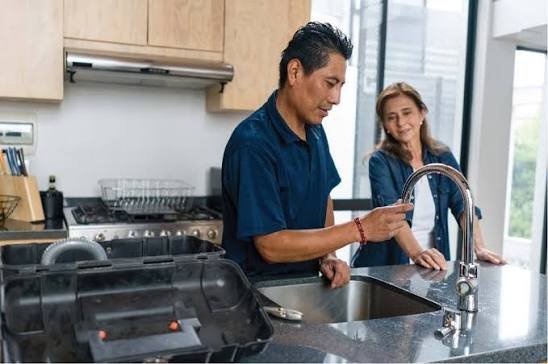
A dripping tap is usually a worn rubber washer, not a plumbing emergency. Turn off the water supply, unscrew the tap handle, replace the washer (costs under ₹20), and reassemble. Ten minutes, tops.
Quick answer: The most common plumbing problems — like a dripping tap — usually come down to a worn washer, a cheap fix that most homeowners can handle themselves in under 15 minutes without calling a plumber.
2. Slow or Clogged Drain
Hair, soap scum, and grease buildup are the usual culprits. Before reaching for a plumber, try a plunger, then a mix of hot water, baking soda, and vinegar poured down the drain and left for 15 minutes.
3. Running Toilet
That constant faint hissing sound after a flush is almost always a worn flapper valve inside the cistern. It’s a ₹100-150 part and a genuinely simple DIY replacement — and it can waste a surprising amount of water if left unfixed for months.
4. Low Water Pressure
Before assuming it’s a bigger issue, check if it’s isolated to one tap — if so, the aerator (the small mesh screen at the tap tip) is likely clogged with mineral deposits. Unscrew, soak in vinegar, rinse, and reattach.
Quick answer: Low water pressure limited to a single tap is usually caused by a clogged aerator, not a larger plumbing issue — soaking it in vinegar for 30 minutes typically resolves it.
5. Water Heater Not Heating Properly
This one’s more of a mixed bag. A tripped thermostat or a simple reset can fix minor issues, but if the heating element itself has failed, that’s a job for a professional — there’s an electrical component involved.
6. Gurgling Drains
A gurgling sound from your drain usually points to a partial blockage further down the pipe, or occasionally a venting issue. If a plunger doesn’t clear it, this is where I’d call in help rather than keep guessing.
7. Pipe Leaks Under the Sink
Small leaks at pipe joints can sometimes be fixed by simply tightening the connection or replacing a worn rubber seal. If the pipe itself is corroded or cracked, that’s a replacement job best left to a plumber. [link to related guide about how to choose the right plumber here]
8. Sewage Smell From Drains
This one surprises people — it’s often not a sewage problem at all, but a dried-out P-trap (the curved pipe under sinks that holds a water seal). If a drain hasn’t been used in a while, run water through it for a minute; the smell usually disappears.
Quick answer: A sewage smell from an unused drain is often caused by a dried-out P-trap rather than an actual sewage issue — simply running water through the drain for a minute usually resolves it.
When to Stop DIY-ing and Call a Professional
Anything involving the main water line, gas connections, sewage backups, or repeated failures after a DIY fix should go to a licensed plumber. Persisting past that point usually costs more in the end. [link to related guide about DIY vs professional home improvement here]
FAQ
Q: Can I fix a leaking tap myself? Yes, in almost all cases — it’s usually just a worn washer, an inexpensive and quick DIY fix.
Q: Why does my toilet keep running after flushing? This is almost always a worn flapper valve inside the cistern, which is cheap and simple to replace.
Q: How do I unclog a drain without harsh chemicals? Try a plunger first, then a baking soda and vinegar mix followed by hot water — it works for most soap scum and hair clogs.
Q: Is low water pressure always a serious plumbing issue? No — if it’s isolated to one tap, it’s usually just a clogged aerator, an easy fix.
Q: When should I stop DIY plumbing and call a professional? Anytime it involves gas lines, the main water supply, sewage backups, or a fix that hasn’t held after two attempts.
Conclusion
Most common plumbing problems — dripping taps, running toilets, clogged drains, low pressure — are genuinely manageable without a professional, and knowing which is which saves both money and the wait for a call-out. Keep a washer set and a plunger on hand; between those two, you’ll handle a surprising number of household plumbing issues yourself.
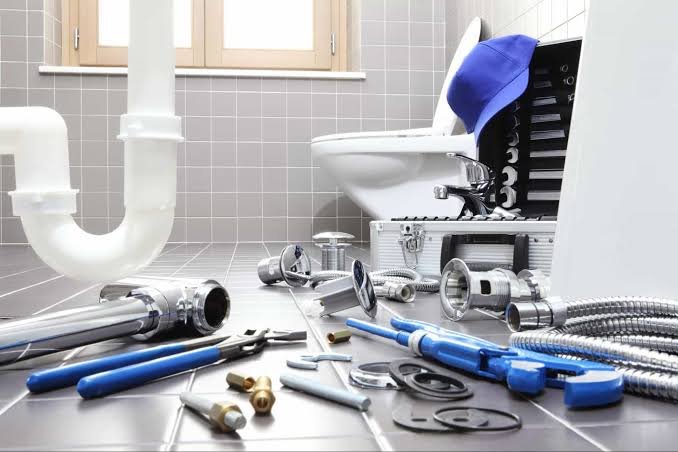
Suggested alt text: “Replacing a worn washer in a leaking kitchen tap” Suggested alt text: “Homeowner unclogging bathroom drain with baking soda and vinegar”