Water is supposed to make everyday life easier. We use it to cook, clean, shower, wash clothes, and fill our glasses without giving it much thought. But when water starts leaving stains on sinks, making soap difficult to rinse, or giving off a metallic smell, it becomes a different story. Suddenly, something as ordinary as doing the laundry can feel like a small household battle.
These problems are often connected to the minerals and substances found in the water supply. Hardness, iron, and rust are among the most common concerns homeowners encounter, especially in areas that rely on groundwater. Understanding what causes these issues—and how they can be addressed—makes it easier to choose a practical solution rather than spending money on equipment that doesn’t meet your needs.
What Makes Water “Hard”?
Hard water contains elevated levels of naturally occurring minerals, particularly calcium and magnesium. These minerals enter water as it moves through soil and rock, and while they aren’t generally considered a major health concern, they can create plenty of frustration around the house.
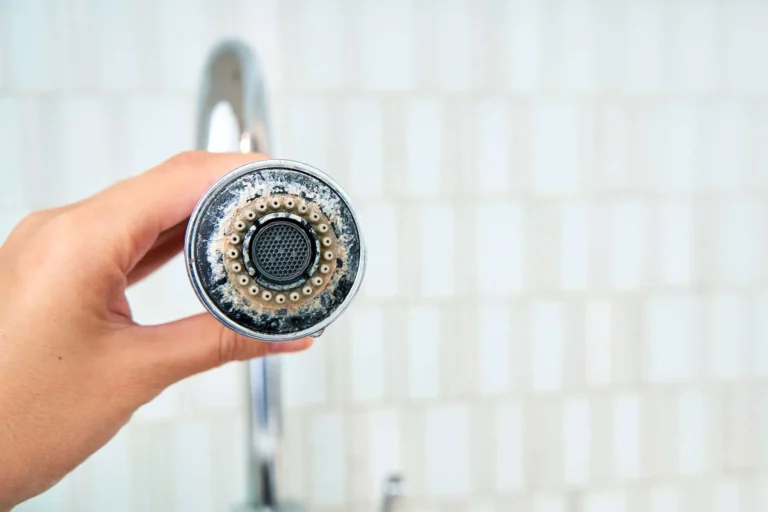
One of the clearest signs is mineral buildup. White, chalky deposits may appear around faucets, showerheads, and glass doors. You might also notice that soap doesn’t lather as easily or that freshly washed clothes feel a little stiff. Over time, mineral deposits can accumulate inside water heaters, pipes, and appliances that use water regularly.
Hard water can also increase cleaning time. A bathroom that looked spotless yesterday may develop cloudy marks again after a few showers. It’s not necessarily poor cleaning—sometimes, the water itself is leaving something behind.
Why Iron and Rust Cause So Many Problems
Iron in water is another common concern, particularly for homes using private wells. Iron & rust can affect water in several ways, depending on the form and concentration present.
Dissolved iron may initially make water appear clear, but it can oxidize when exposed to air, leaving reddish-brown or orange stains. These marks often show up in sinks, toilets, bathtubs, and laundry. In some cases, water may also develop a metallic taste or odor.
Rust-colored staining isn’t always caused by iron alone. It may also be associated with corrosion in plumbing, sediment, or other conditions within the water system. That’s why simply seeing an orange stain doesn’t automatically tell you which treatment method is needed.
Iron can also create problems for plumbing and treatment equipment if levels are high. Over time, deposits may affect flow, clog components, or encourage unpleasant buildup. Identifying the source is an important part of finding a lasting fix.
The Difference Between Hardness, Iron, and Sediment
It’s easy to group all water problems together, but they aren’t interchangeable. Hardness is primarily associated with calcium and magnesium. Iron involves a different type of mineral issue, while sediment refers to suspended particles such as sand, silt, or dirt.
These differences matter because treatment technologies are designed for specific purposes. A water softener may help reduce hardness but may not effectively address every type of iron. A sediment filter can capture certain particles, but it won’t necessarily remove dissolved minerals. Likewise, a carbon filter may improve taste and odor without solving a serious iron problem.
In other words, the right system depends on what’s actually in the water. Guessing can lead to disappointing results, even when the equipment itself is good.
Why Water Testing Is the First Sensible Step
Before choosing equipment, homeowners should consider getting their water tested. A basic test can provide useful information about hardness, iron, pH, and other characteristics. Depending on the water source and local concerns, additional testing may be appropriate.
For private well owners, regular testing is especially important because groundwater conditions can change. Nearby construction, seasonal changes, agricultural activity, or shifts in the water table may affect quality. Municipal water users may also benefit from testing if they notice unusual taste, staining, or changes in water appearance.
A test report gives you something much more useful than a sales pitch: actual information. It can help determine whether the issue is mild or severe, whether one treatment stage is enough, and whether multiple technologies may be required.
Exploring Water Treatment Solutions
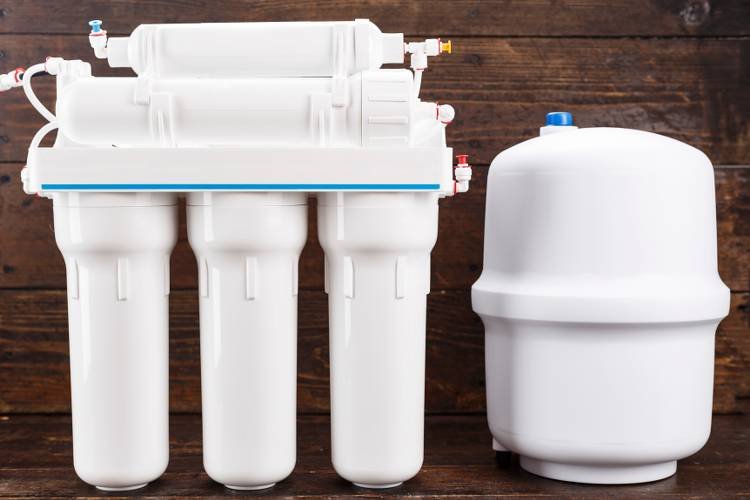
There are several types of water treatment solutions available, and each has a different role. The best choice depends on the problem, the size of the household, and how much water needs to be treated.
For hard water, a conventional water softener may help reduce calcium and magnesium, limiting scale buildup and improving the performance of soaps and detergents. For iron, specialized iron filters or oxidation-based systems may be more suitable, particularly when dissolved iron is present.
Sediment filters can help capture sand, silt, and other suspended particles before they reach household fixtures. Carbon filtration may be useful for improving taste and reducing certain odors or chemicals, depending on the filter’s specifications.
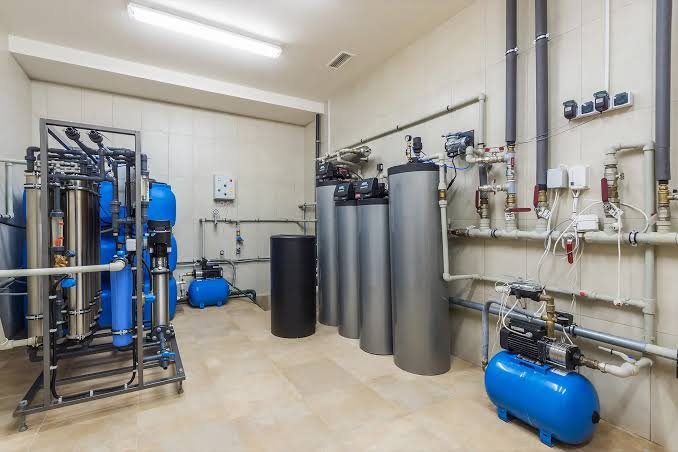
Some homes require a combination of systems. For example, a sediment filter may be installed before an iron-treatment unit, while a softener may address hardness separately. This layered approach can be more effective than expecting one device to solve every water-quality concern.
Choosing the Right System for Your Household
A treatment system should fit the way your home uses water. A small household with moderate hardness may have different requirements from a large family using a private well with high iron levels.
Consider the number of people in the home, peak water usage, available installation space, and the quality of the incoming supply. Flow rate is important, too. A system that is too small may struggle during showers, laundry, or simultaneous use of multiple fixtures.
It’s also worth looking beyond the purchase price. Ask about filter replacements, salt or chemical requirements, electricity usage, servicing, warranties, and the expected lifespan of the equipment. A cheaper system may become expensive if its maintenance needs are difficult to manage.
A reputable water-treatment professional should explain the options clearly and avoid promising results that the equipment hasn’t been designed to deliver.
Maintenance Makes a Real Difference
Even the right equipment needs regular care. Filters must be replaced, softeners may need salt replenishment, and iron-treatment systems may require cleaning or periodic servicing. Neglecting maintenance can reduce performance and allow the original problems to return.
Homeowners should follow the manufacturer’s schedule and keep track of service dates. It’s also helpful to watch for changes in water pressure, taste, odor, or staining. These signs don’t always mean the system has failed, but they may indicate that something needs attention.
Routine maintenance is usually far easier—and less expensive—than waiting until a component becomes completely blocked or damaged.
A Cleaner Water Experience Starts With Understanding
Hard water, iron, and rust can make household water frustrating, but these issues are often manageable with the right information and equipment. The key is to identify the actual cause before choosing a treatment method.
Start with testing, understand what each technology is designed to do, and consider long-term maintenance as part of the decision. Whether your goal is to reduce scale, prevent orange stains, or improve the overall quality of your water, a properly selected system can make everyday tasks noticeably easier.
Water treatment isn’t about buying the most complicated setup. It’s about finding a solution that works for your home, your water, and your daily routine.