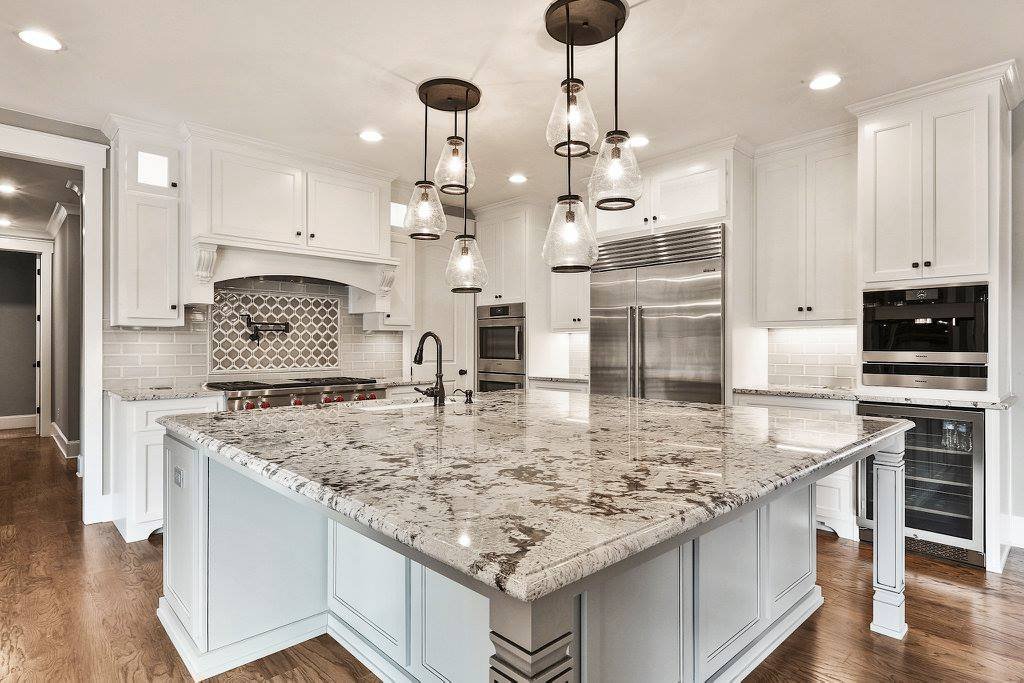
Countertops influence how your kitchen looks, feels, and functions. They provide space for preparing meals, organizing everyday essentials, and gathering with family. Granite remains a popular choice because each slab features distinctive natural patterns, mineral variations, and colors. With suitable selection and maintenance, granite countertops provide a durable surface that complements a wide range of kitchen designs.
Homeowners considering granite countertops in Kirkland, WA should evaluate more than color and price. Slab characteristics, cabinet dimensions, edge profiles, sink placement, and maintenance requirements all influence the finished installation. Understanding these details before purchasing helps you choose a countertop that complements your kitchen while meeting your household’s practical needs.
Why Choose Granite for Your Kitchen?
Granite is a natural stone formed through geological processes that create its characteristic mineral composition and appearance. Every slab has individual patterns, so two countertops rarely look exactly alike.
Several characteristics make granite attractive for residential kitchens:
A. Distinctive appearance: Natural mineral patterns provide depth and visual interest.
B. Hard surface: Granite generally resists everyday scratching better than many softer countertop materials, although damage remains possible.
C. Heat tolerance: Granite handles ordinary kitchen heat better than some surfaces, but sudden temperature changes and extreme heat can still cause damage.
D. Design flexibility: Available colors range from pale whites and creams to deep browns, grays, and blacks.
E. Long-term usefulness: With appropriate installation and maintenance, granite can serve a household for many years.
Granite is not maintenance-free. Its performance depends on the stone’s characteristics, fabrication quality, installation, and ongoing care.
Select a Granite Color That Complements Your Kitchen
Begin by examining your cabinets, flooring, backsplash, and wall colors. Granite should complement these elements rather than compete with every other surface.
Light granite can brighten a smaller kitchen and pair well with white, cream, or natural wood cabinetry. Gray granite suits many contemporary interiors, particularly when combined with stainless steel appliances and understated cabinet hardware. Dark granite creates a dramatic contrast against lighter cabinets and works well in kitchens designed around bold visual elements.
Pay attention to pattern variation. Some slabs feature subtle speckles, while others contain pronounced veins and contrasting mineral formations. Busy patterns create a strong focal point, whereas restrained patterns provide a quieter background.
Whenever possible, inspect the actual slab before finalizing your selection. Small samples cannot always represent the full variation across a large countertop.
Consider Thickness and Edge Profiles
Granite countertops commonly come in two standard thicknesses: 2 cm (approximately ¾ inch) and 3 cm (approximately 1¼ inches). The appropriate choice depends on the selected slab, cabinet support, design preferences, and fabricator recommendations. Thicker slabs provide a more substantial appearance, while thinner slabs may require additional support or a built-up edge to create the appearance of greater thickness.
Edge profiles provide another way to customize granite. A straight or eased edge creates a clean, contemporary appearance. A bullnose edge has a rounded profile that softens the overall design, while a beveled edge features an angled detail.
Discuss edge options with your fabricator before production begins. Some profiles require additional fabrication and maintenance considerations. Ensure the finished edge also provides practical clearance around cabinet doors, appliances, and adjoining surfaces.
Plan Measurements and Installation Carefully
Accurate measurements are essential for a successful countertop project. Fabricators need to account for cabinet dimensions, wall irregularities, sink openings, cooktop cutouts, and backsplash requirements.
Before fabrication, confirm the sink type, faucet placement, and appliance specifications. Changes after cutting can increase costs or complicate installation. Your installer should also assess cabinet stability and ensure the supporting structure can accommodate the countertop’s weight.
Seams require careful planning, especially across long runs or around corners. Discuss seam placement in advance so it fits the kitchen layout and works with the selected slab’s pattern.
Professional installation helps ensure appropriate support, secure placement, and properly finished edges.
Understand Granite Countertop Costs
Granite countertop costs vary according to the stone’s color, rarity, pattern, thickness, slab size, fabrication requirements, and installation complexity. More readily available granite options may cost less than rare stones with distinctive patterns. Additional expenses can include edge treatments, sink and cooktop cutouts, seams, sealing, and removal of existing countertops.
For smaller surfaces, remnant slabs can provide a cost-saving option. These are leftover pieces from previous countertop projects that may suit bathroom vanities, small kitchen counters, islands, or other limited areas. Availability, dimensions, color, and pattern will determine whether a remnant works for your project.
Request an itemized estimate that identifies material, fabrication, installation, and additional charges. Comparing estimates with the same specifications helps you evaluate the overall cost more accurately.
Maintain Granite Countertops Properly
Daily care helps preserve granite’s appearance. Clean the surface with a soft cloth and a suitable stone cleaner. Wipe spills promptly, especially acidic liquids such as lemon juice, vinegar, and wine, which can affect some stone finishes or damage protective treatments.
Use cutting boards instead of cutting directly on the countertop. Place trivets beneath hot cookware rather than assuming the stone is immune to thermal shock.
Some granite surfaces benefit from periodic sealing. Sealing requirements vary by stone, so follow the fabricator’s guidance and product instructions. A sealant reduces absorption but does not make granite completely stainproof.
A simple water-drop test can help you determine whether your granite needs resealing. Place a few drops of water on a clean, dry area of the countertop and let them sit for approximately 15 minutes. If the stone darkens beneath the water or absorbs it, the surface may need resealing. If the water remains on the surface without darkening the stone, the existing sealer may still be effective. Repeat the test in a few different areas because absorption can vary across the slab. Follow the sealant manufacturer’s instructions before applying any new product.
Avoid abrasive cleaners and unapproved chemicals that could damage the surface or protective treatment.
Choose a Countertop That Fits Your Needs
The right granite countertop balances appearance, everyday functionality, fabrication quality, and maintenance expectations. Consider your cooking habits, cabinet style, budget, and preferred level of pattern variation before choosing a slab.
Compare full slabs, review edge profiles, and confirm installation details with an experienced fabricator. Explore granite countertop options in Kirkland, WA, and create a kitchen surface that combines natural character with practical performance.