Electricity is something we depend on from the moment we wake up. The coffee machine, air conditioner, refrigerator, and countless other devices quietly make everyday life more comfortable. But when a circuit breaker trips repeatedly or the power goes out during a thunderstorm, we suddenly realise how much we rely on a dependable electrical system.
Many homes and businesses operate with electrical infrastructure installed years, sometimes decades, ago. Back then, energy demands were considerably different.
As technology continues to become a bigger part of our lives, keeping electrical systems up to date is no longer just about convenience. It’s also about safety, efficiency, and protecting valuable equipment.
When Your Electrical System Starts Showing Its Age
Older properties often have plenty of character, but their electrical infrastructure may not be particularly well suited to modern demands. Adding new appliances, entertainment systems, or electric vehicle charging equipment can place additional pressure on existing circuits.
Investing in electrical system upgrades can help property owners address outdated wiring, insufficient capacity, and recurring electrical problems. Depending on the property’s condition, improvements might involve dedicated circuits, modern wiring, or enhanced electrical protection.
Frequently flickering lights, discolored outlets, and breakers that trip without an obvious explanation are signs worth investigating.
It’s tempting to dismiss these problems as minor inconveniences. However, persistent electrical issues deserve professional attention. A qualified electrician can identify underlying concerns and recommend improvements based on the building’s actual requirements.
Understanding the Importance of Your Electrical Panel
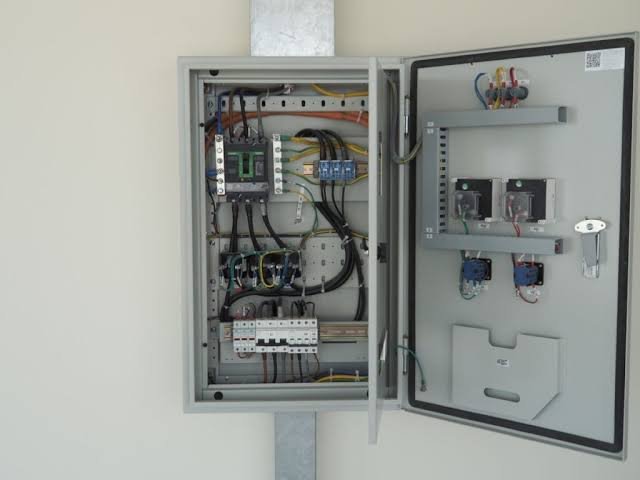
Most people rarely open their electrical panel unless something stops working. Yet this relatively unassuming piece of equipment plays an essential role in distributing electricity throughout a property.
Modern breaker panels help manage electrical distribution while protecting individual circuits against overloads and short circuits. When a panel becomes outdated, damaged, or insufficient for current demands, electrical reliability may suffer.
Imagine trying to run several kitchen appliances while the air conditioner is operating on a particularly hot afternoon. An inadequately designed electrical system might struggle to accommodate these simultaneous demands.
Upgrading an electrical panel can provide additional capacity when properly designed for the property’s needs. It may also make future improvements easier to accommodate.
Rather than guessing whether your panel needs replacing, arrange a professional assessment. Sometimes, a targeted repair is sufficient. Other situations call for a more comprehensive upgrade.
Preparing for Unexpected Power Outages
Power interruptions rarely happen at convenient moments. They seem to arrive when you’re preparing dinner, working toward a deadline, or trying to keep the house comfortable during extreme weather.
For households and businesses in areas prone to storms, backup generators can provide valuable support when the main electricity supply becomes unavailable.
Depending on their capacity and configuration, backup power systems can keep essential appliances, lighting, refrigeration, and selected equipment operating during an outage.
Choosing the right equipment requires some planning. A small household with limited backup requirements will have entirely different needs from a commercial property relying on refrigeration or critical machinery.
Professional installation is particularly important for permanently connected equipment. Proper transfer equipment helps prevent dangerous electrical backfeeding, while safe outdoor placement and ventilation reduce carbon monoxide risks. Portable units must never be operated indoors or in garages.
Making Your Property More Energy Efficient
Electricity bills have a way of grabbing everyone’s attention, particularly during months when heating or cooling equipment runs frequently.
Although not every electrical improvement directly reduces energy consumption, certain upgrades can make a noticeable difference.
Replacing outdated lighting with suitable LED fixtures is a relatively straightforward starting point. Motion sensors, programmable controls, and smart lighting arrangements can also help reduce unnecessary electricity usage.
Commercial properties may benefit considerably from thoughtful lighting improvements, especially when large areas remain illuminated throughout the working day.
An electrical assessment can help identify opportunities that genuinely suit your property and usage habits.
Sometimes, a handful of practical improvements delivers better value than an expensive renovation packed with features you rarely use.
Why Businesses Should Take Electrical Reliability Seriously
For a homeowner, an electrical interruption might mean temporary inconvenience. For a business, it can mean lost revenue, delayed orders, and dissatisfied customers.
Restaurants depend on refrigeration and cooking equipment. Offices need reliable computer networks and communication systems. Manufacturing facilities often rely on machinery that requires a consistent electrical supply.
Planning electrical improvements around actual business requirements can help reduce avoidable interruptions.
Future expansion deserves consideration, too. Installing additional equipment without reviewing available electrical capacity may create problems that could have been prevented through earlier planning.
Working with experienced electrical professionals helps businesses understand these requirements and make informed investment decisions.
Small Safety Improvements Can Prevent Bigger Problems
Electrical safety doesn’t always require a major construction project. Occasionally, an inspection reveals relatively straightforward improvements that can make a property safer.
Replacing damaged outlets, addressing loose connections, and installing appropriate circuit protection are examples of work that qualified professionals may recommend.
Surge protection can also help reduce the risk of damage to sensitive electronics and household appliances.
If you notice burning smells, unusual buzzing sounds, or excessive heat around electrical equipment, don’t ignore them. Arrange prompt professional assistance rather than attempting unfamiliar electrical repairs yourself.
When it comes to electricity, taking shortcuts rarely makes financial or practical sense.
Building a More Dependable Electrical Future
A reliable electrical system should support your lifestyle or business operations without constantly demanding attention.
Whether you’re updating an older home, expanding a commercial property, or preparing for severe weather, thoughtful electrical planning can deliver lasting benefits.
Start by understanding your current requirements, consider how those needs might change, and work with qualified professionals who prioritize safety.
After all, some of the most worthwhile property improvements aren’t immediately visible. They’re the ones quietly keeping your lights on, your equipment running, and your everyday routines moving without unnecessary interruptions.