You’ve noticed a stain on the ceiling. Or maybe a tile slipped out of place after last week’s storm. Now you’re standing in your yard, staring up at your roof, wondering: is this a quick fix, or am I looking at a full replacement?
That question — roof repair vs replacement — is one of the most expensive decisions a homeowner makes, and honestly, most people get it wrong in one direction or the other. Some patch a roof that’s already past saving, throwing good money after bad. Others replace a roof that had years of life left in it. I’ve seen both, and neither feels great in hindsight.
This guide walks through the actual signs that separate a repair job from a replacement job, so you’re not guessing.
How Old Is Your Roof, Really?
Age is the first thing any contractor worth their salt will ask about. It matters more than people think.
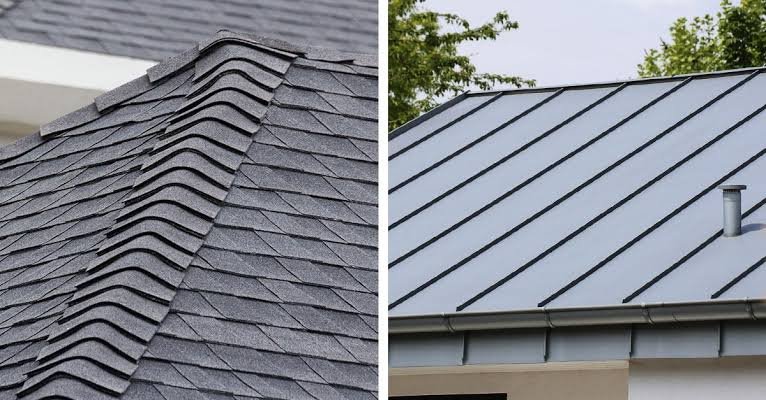
Most asphalt shingle roofs last 20-25 years. Metal roofs can go 40-50 years if maintained. Concrete tile roofs, common across a lot of Indian homes, often hit 30-40 years before serious trouble starts.
Quick answer: If your roof is under 15 years old, repair is almost always the better call. Past 20-25 years, you’re usually just delaying the inevitable — and spending money you won’t recover.
Here’s the thing though — age alone doesn’t tell the whole story. A 12-year-old roof in a coastal area with heavy monsoon exposure can age faster than a 20-year-old roof somewhere drier. Climate does a number on roofing materials, and I don’t think enough people factor that in.
Widespread Leaks vs. One Stubborn Spot
A single leak, especially one you can trace to a cracked tile or damaged flashing, is a repair. Multiple leaks in different rooms? That’s usually your roof telling you it’s failing as a system, not just in one spot.
I’ve noticed that homeowners often chase leaks one at a time for years — patch here, patch there — without stepping back to ask why leaks keep appearing at all. If you’ve called a roofer three times in two years for “just one more leak,” that pattern itself is the answer.
Picture a small business owner in Jaipur running a shop out of a converted house. Every monsoon, water seeps in near the back wall. He’s paid for four separate patch jobs over three years — probably close to what a proper section replacement would’ve cost, done right the first time.
Shingle or Tile Damage: Isolated or Everywhere?
This is one of the easier ones to judge with your own eyes, no ladder required (though a pair of binoculars helps).
- A handful of cracked or missing tiles in one corner — repair
- Curling, buckling shingles across large sections — replacement territory
- Granules from asphalt shingles collecting in your gutters like sand — sign the roof is wearing out overall
- Tiles that look fine but sound hollow or loose when walked on — often deeper structural fatigue
If the damage is scattered across less than 30% of the roof, repair usually makes financial sense. Beyond that, you’re often better off doing the whole thing at once rather than making three separate trips.
Sagging Roof Deck: A Red Flag You Can’t Ignore
Direct answer: A sagging roofline almost always signals structural damage to the decking or supports underneath, not just surface wear — and this is one situation where repair is rarely enough. Get it inspected immediately; sagging can indicate water-logged wood or a compromised structure.
Don’t wait on this one. A sag that’s visible from the street or your neighbor’s balcony has usually been developing for a while under the surface.
Daylight Through the Roof Boards
If you go into your attic or loft space during the day and see light coming through anywhere, that’s a gap serious enough to let in water too — not just light. Small gaps near a single vent pipe might be repairable. But daylight in multiple spots across the roof deck usually means the underlying structure has deteriorated enough that patching won’t hold for long.
Rising Energy Bills With No Obvious Cause
This one surprises people. A failing roof affects insulation and ventilation, not just water tightness. If your cooling costs have crept up over the last couple of summers and nothing else has changed — same AC, same usage — your roof might be the reason. Poor attic ventilation from roof damage lets heat build up, and your AC works overtime to compensate.
Moss, Algae, and Moisture Retention
A little moss on a shaded north-facing patch usually isn’t urgent. But moss covering large areas often means the roofing material underneath is retaining moisture it shouldn’t be, and that moisture is slowly breaking things down. [link to related guide on roof maintenance in monsoon climates here]
Cost Comparison: When Repair Stops Making Sense
Here’s a rough rule contractors use, and it’s held up well in my experience: if repair costs exceed 30-40% of what a full replacement would cost, replacement is the smarter long-term move.
A single tile repair in India might run ₹2,000-5,000. Fixing flashing or a small leak section could be ₹10,000-25,000. But a full roof replacement, depending on size and material, often falls between ₹1.5-4 lakh or more. Do the math before committing to “just one more patch.”
Insurance and Resale Value Considerations
If you’re planning to sell your home in the next few years, a roof nearing the end of its life can scare off buyers or tank your negotiating position — even if it’s technically still “working.” Buyers ask about roof age. A recently replaced roof is a genuine selling point; an aging, patched-together one is a red flag during inspection.
FAQ: Common Questions About Roof Repair vs Replacement
How do I know if my roof needs a full replacement or just repair? Look at age, the extent of damage, and whether leaks are isolated or spread across multiple areas. One or two issues on a roof under 15 years old usually means repair. Widespread damage or a roof over 20 years old usually points to replacement.
Can I repair just part of a roof instead of replacing the whole thing? Yes, and it’s a valid approach if the damage is limited to a clearly defined section — say, one slope that took storm damage. Just make sure the materials match reasonably well, or you’ll end up with a patchwork look and possible water flow issues at the seams.
Is it cheaper to repair a roof than replace it? Almost always, in the short term. But repeated repairs on an aging roof can add up to more than a replacement would’ve cost over a few years. It’s worth tracking what you’ve spent on repairs before deciding.
How long does a roof replacement usually take? For an average Indian home, a full roof replacement typically takes anywhere from 3-7 days, weather permitting. Larger or more complex roofs can take longer.
Does monsoon damage always mean I need a replacement? Not necessarily. Monsoon damage is often concentrated — a few tiles, some flashing, a clogged drainage point. It becomes a replacement issue when the damage recurs every year in the same spots, suggesting the underlying roof structure is failing.
What’s the average lifespan of a roof in India? It varies by material and climate exposure, but concrete tile roofs typically last 30-40 years, asphalt shingles around 20-25 years, and metal roofing 40-50 years with proper upkeep.
Conclusion
Deciding between roof repair vs replacement really comes down to three things: how old your roof is, how widespread the damage is, and whether you’re fixing symptoms or the actual problem. A single cracked tile is worth a repair call. Recurring leaks, sagging, or a roof past its expected lifespan usually isn’t.
Before you decide, get an actual inspection rather than guessing from the ground — in 2026, most local roofing contractors offer this free or for a small fee, and it’s the one step that saves people from the costliest mistake: fixing a roof that was already telling them it was done. [link to guide on choosing a roofing contractor here] [link to seasonal roof maintenance checklist here]