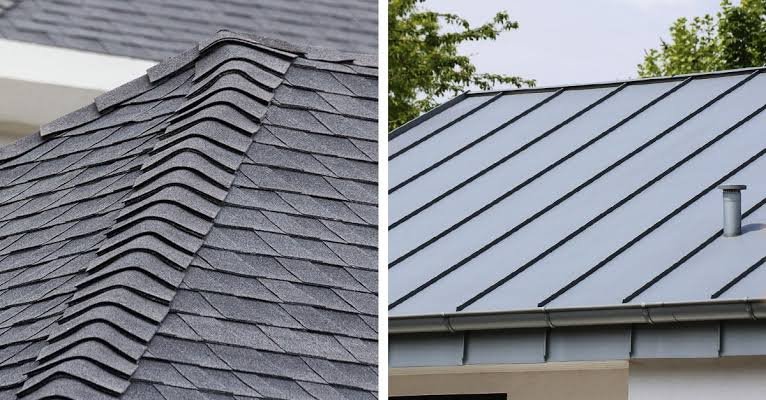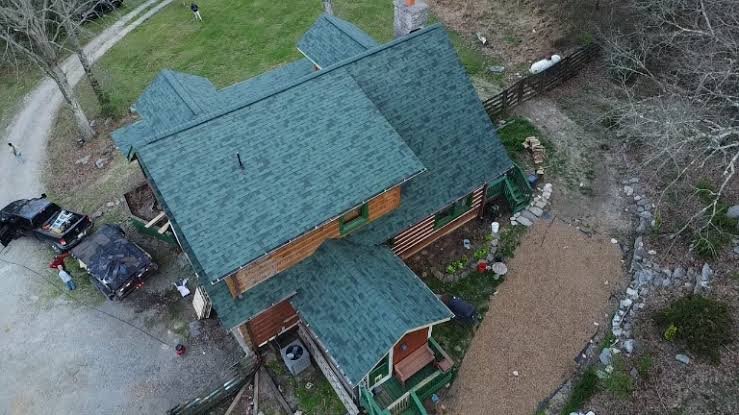
A roof protects the structure beneath it from rain, wind, snow, and changing temperatures. When shingles loosen, flashing separates, or a small leak develops, the first visible sign may appear indoors rather than on the roof itself.
Timely roof repair in York, PA focuses on locating the source of the problem, restoring the roof’s protective layers, and checking nearby areas for related damage. A ceiling stain does not always sit directly below the roof opening, because water can travel along decking or framing.
Warning Signs That Deserve an Inspection
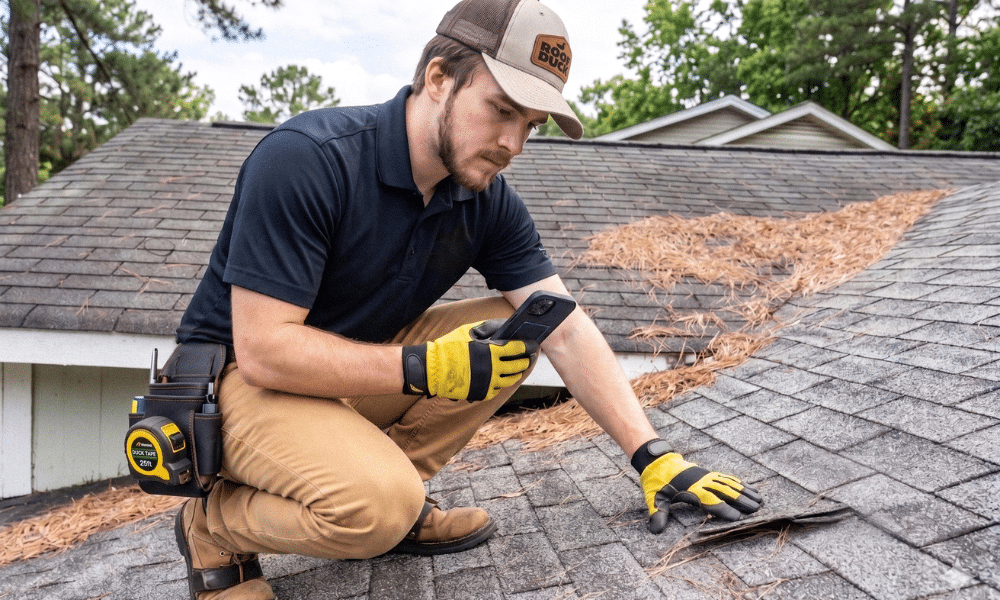
From the ground, look for missing, lifted, cracked, or visibly curled shingles. Check for pieces of roofing material in the yard after strong winds and look for damaged metal flashing around chimneys, vents, skylights, and roof-to-wall transitions. Sagging roof sections or widespread material loss require prompt professional attention.
Inside the home, watch for brown ceiling marks, peeling paint, damp attic insulation, musty odors, or daylight visible through the roof deck. These signs do not all prove an active roof leak, but they justify investigation. Moisture can also result from condensation or plumbing problems, so identifying the actual source is important before choosing a repair. Poor attic ventilation can contribute to excess moisture buildup and condensation, particularly when warm indoor air meets cold roof surfaces. A roofing professional can check ventilation pathways and determine whether improvements are needed alongside any roof repairs.
Do not climb onto a wet, icy, steep, or storm-damaged roof to inspect it. Roof work involves fall risks, and damage can make surfaces unstable. Use ground-level observations and photographs taken from a safe location, then leave close inspection to a trained roofing professional with suitable safety equipment.
Common Causes of Roof Damage in York
Wind can lift shingle edges, loosen ridge materials, and expose fasteners. Hail can bruise or fracture some roofing products, while falling branches may puncture shingles or damage roof decking. Repeated freeze-thaw cycles and seasonal temperature changes can also stress older materials and vulnerable joints.
Ice dams are another winter roofing concern in Pennsylvania. They form when heat escaping into the attic warms sections of the roof, melting snow that later refreezes near colder eaves. The resulting ice buildup can prevent proper drainage and force water beneath shingles, potentially damaging roof decking, insulation, and interior ceilings. Proper attic insulation and ventilation, along with timely repairs to damaged roofing components, can help reduce the conditions that contribute to ice dams.
Flashing is another frequent trouble spot. Metal pieces around chimneys, vents, valleys, and wall intersections direct water away from openings. If flashing corrodes, separates, or was installed incorrectly, water can enter even when the surrounding shingles look acceptable. Worn sealant may contribute to a problem, but simply applying more sealant is not always a lasting solution.
What a Professional Roof Repair Should Include
A thorough assessment examines the visible damage and the surrounding roofing system. The roofer should explain the likely entry point, the materials affected, and whether the repair can be isolated to a small area. Depending on the findings, work might include replacing damaged shingles, securing loose components, repairing flashing, or addressing compromised underlayment or decking.
Before hiring a roofing contractor, verify their Pennsylvania Home Improvement Contractor (HIC) registration with the Pennsylvania Office of Attorney General. Most contractors performing residential home improvements must register, although certain exemptions apply, including contractors performing less than $5,000 in home improvements annually. Homeowners can check registration status through the state’s official verification system. Registration is a legal requirement, not a guarantee of workmanship or professional competency.
Ask for a written description of the work, material specifications, expected timeline, and price. Confirm whether the estimate includes removal of damaged material, cleanup, and disposal. If hidden damage is discovered after work begins, ask how additional repairs will be documented and approved. Clear expectations help you compare options without focusing on price alone.
Repair or Replace the Roof?
A localized defect on a roof that is otherwise in sound condition often supports a targeted repair. Widespread shingle deterioration, recurring leaks in multiple locations, extensive storm damage, or an aging roof with repeated failures may justify comparing repair costs with replacement. The decision depends on the roof’s condition, remaining service life, material availability, and the extent of underlying damage.
A professional should explain the evidence behind the recommendation and identify any limitations. Matching older shingles can be difficult if the product or color is discontinued, and a repair may not make surrounding aged materials new again. Understanding these trade-offs allows you to choose a practical plan for your home.
Preventive Roof Care for York Homeowners
Schedule an inspection after significant storm damage and keep gutters and downspouts clear so water can drain properly. Trim branches that threaten the roof, look for deteriorated flashing from a safe vantage point, and address interior moisture signs quickly. In winter, avoid climbing onto icy surfaces or attempting unsafe snow removal.
If a storm causes roof damage, document the affected areas with photographs and contact your homeowners’ insurance company as soon as possible to discuss a potential storm damage insurance claim. Review your policy carefully because claim notification requirements, proof-of-loss deadlines, and time limits for legal action can vary by policy. Delaying notification may complicate the claims process. Keep records of communications, inspection reports, repair estimates, and temporary repair expenses. Make necessary temporary repairs to prevent further damage, but check with your insurer before completing permanent repairs.
Protect Your Home With Timely Repairs
Roof problems rarely improve when left unattended. By watching for missing shingles, interior stains, damaged flashing, and signs of moisture, York homeowners can arrange an assessment before water affects more of the building. Request a clear explanation and written repair scope, then address confirmed damage promptly to help preserve the roof’s performance and your home’s interior.