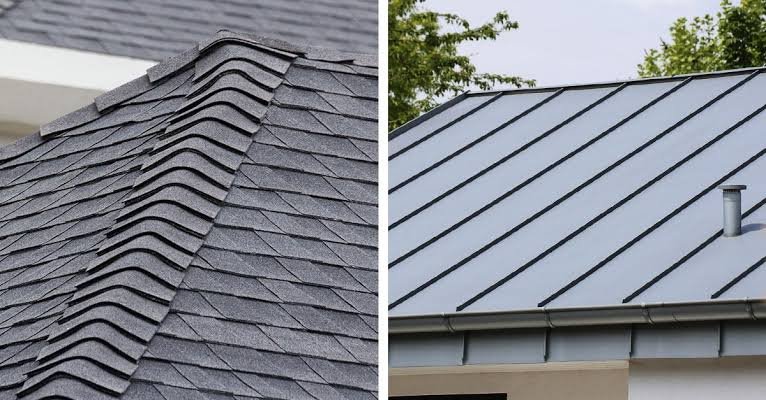
Standing at the roofing counter with two samples in your hand, trying to decide, isn’t fun. One’s lighter on your wallet upfront. The other one you’ll probably never think about again for decades. That’s the real tension in the metal roofing vs asphalt shingles debate — it’s not really about which one is “better,” it’s about which trade-offs you’re okay living with.
I’ve worked with homeowners who swore by one and regretted the other, and honestly, both camps had valid points. This isn’t a simple pick-the-winner situation, whatever some blogs will tell you.
Let’s get into the actual differences that matter — cost, durability, climate fit, and the stuff nobody mentions until it’s too late.
Upfront Cost: The First Reality Check
Direct answer: Asphalt shingles cost roughly ₹150-300 per square foot installed in India, while metal roofing runs ₹250-600 per square foot depending on the metal type. Asphalt wins on day-one cost by a wide margin, but that gap narrows — sometimes disappears — over the roof’s full lifespan.
Here’s where people get tripped up. They compare sticker price and stop there. But a roof isn’t a one-time purchase, it’s a 20-50 year commitment depending on what you pick.
Galvalume and aluminum sheets sit at the lower end of metal pricing. Standing seam copper or zinc roofing? That’s a premium product, and the cost reflects it — sometimes 3-4x what basic asphalt would run you.
If your budget is tight right now and you’re not planning to stay in the home long-term, asphalt is the practical call. No shame in that.
Lifespan: Where Metal Pulls Ahead
Asphalt shingles typically last 15-25 years. Metal roofing, on the other hand, can go 40-70 years depending on the material and how well it’s maintained. That’s not a small gap — it’s potentially two or three roof replacements’ worth of difference.
I’ve noticed something interesting working with older properties: a lot of the metal roofs still standing from decades ago were installed almost as an afterthought, cheap corrugated sheets nobody expected to last. And yet there they are, still functional, just a bit rusty around the edges. Asphalt doesn’t age that gracefully — it curls, cracks, and sheds granules well before it fails completely.
Heat and Climate Performance in Indian Conditions
This one matters a lot more here than in cooler climates, and I don’t think it gets talked about enough.
Metal reflects a good chunk of solar radiation, especially with a reflective coating, which can noticeably lower attic temperatures during peak summer months. Asphalt absorbs heat and holds onto it — that’s just how dark, granulated surfaces behave in direct sun.
Picture a homeowner in Jodhpur, where summer roof surface temperatures can climb well past 60°C. Someone in that kind of heat is going to feel the difference between a metal roof and dark asphalt shingles in their electricity bill, not just in comfort.
- Metal roofing with reflective coating: can lower attic temps by several degrees compared to standard asphalt
- Asphalt shingles: darker colors absorb more heat, lighter colors help but don’t match metal’s reflectivity
- Monsoon regions: metal sheds water fast and resists moss growth better than asphalt over time
Noise During Rain: A Common Concern
Does metal roofing really sound like a drum during monsoon season? It’s a fair question, and the honest answer is: it depends on installation.
A metal roof installed directly over open rafters without proper underlayment or insulation absolutely will be noisier during heavy rain. But with solid decking, insulation, and underlayment beneath the metal, the noise difference compared to asphalt shrinks a lot — to the point most people wouldn’t notice unless they’re specifically listening for it.
Maintenance and Repairs Over Time
Direct answer: Asphalt shingles are generally easier and cheaper to repair section by section — a damaged shingle or two can be swapped without much fuss. Metal roofing repairs are less frequent overall but can be trickier and pricier when they’re needed, especially matching panel colors on older installations.
Rust is the main long-term concern with lower-grade metal roofing, particularly in coastal or high-humidity areas. Quality coatings help a lot here, so it’s worth not cutting corners on this if you’re going the metal route.
Weight and Structural Considerations
Something people rarely think about until their contractor brings it up: asphalt shingles are noticeably heavier per square foot than most metal roofing options. For older homes or structures with lighter framing, this can actually matter — metal puts less strain on the roof structure, which sometimes opens up options that asphalt would rule out. [link to related guide on roof load and structural inspection here]
Environmental Impact and Recyclability
Metal roofing typically contains a decent percentage of recycled content already, and it’s fully recyclable at the end of its (very long) life. Asphalt shingles, by contrast, mostly end up in landfills — they’re harder to recycle at scale, though some regions are slowly building out shingle recycling programs. If sustainability weighs into your decision, metal has the clearer edge. [link to guide on eco-friendly roofing materials here]
Resale Value: Does the Roof Type Matter to Buyers?
A newer metal roof can be a genuine selling point — buyers recognize the longevity and lower long-term maintenance, and it can be a talking point during price negotiations. Asphalt doesn’t hurt resale value if it’s in good condition, but it doesn’t add the same premium either. It reads as “normal,” not as a feature.
FAQ: Metal Roofing vs Asphalt Shingles
Is metal roofing more expensive than asphalt shingles? Yes, upfront. Metal typically costs 40-100% more to install initially. But over a 30-40 year period, when you factor in one or two asphalt replacements, the total cost often evens out or favors metal.
Does metal roofing rust over time? Lower-grade metal without proper coating can rust, especially in humid or coastal areas. Galvalume, aluminum, and properly coated steel resist rust well and are the better choice for most Indian climates.
Which lasts longer, metal roofing or asphalt shingles? Metal roofing lasts significantly longer — often 40-70 years compared to 15-25 years for asphalt shingles, depending on material quality and maintenance.
Is metal roofing louder than asphalt during rain? It can be, if installed without proper underlayment and insulation. Done right, with solid decking underneath, the noise difference is much smaller than most people expect.
Can I install metal roofing over existing asphalt shingles? In many cases, yes — metal can go over existing shingles with the right underlayment, which saves on tear-off costs. It’s worth getting a contractor’s opinion though, since roof condition and local building codes affect this.
Which is better for hot climates, metal or asphalt? Metal generally performs better in hot climates due to its reflective properties, which can reduce attic heat buildup and cooling costs compared to dark asphalt shingles.
Conclusion
There’s no universal winner in the metal roofing vs asphalt shingles decision — it genuinely depends on your budget, how long you plan to stay in the home, and how much heat and rain your roof deals with each year. If you want the lowest upfront cost and don’t mind replacing sooner, asphalt still makes sense for a lot of homes. If you’re thinking decades ahead and can handle the bigger initial spend, metal roofing tends to pay for itself in longevity alone.
Before deciding, get quotes for both from a local contractor who actually works with your climate — the numbers on paper only tell half the story. [link to guide on choosing a roofing contractor here]