The first heavy rain of the season always catches somebody’s garden off guard. One year it was mine — half my potted crotons turned to mush within a week because I’d planted them thinking “more rain, more growth,” which, turns out, isn’t how it works for every species. Picking the right monsoon plants india gardeners actually rely on makes the difference between a garden that thrives from June to September and one that just rots.
Some plants love the humidity and constant moisture. Others need drainage more than anything else, and if you get that wrong, root rot sets in fast. This guide walks through the monsoon plants india climate genuinely suits, from balcony pots in Mumbai to open beds in Bengaluru, so you’re not guessing come 2026’s monsoon season.
Why Monsoon Planting Needs a Different Approach
Here’s the direct answer: monsoon plants india gardeners choose for the rainy season need to tolerate both waterlogging and high humidity, since standard summer or winter plants often develop fungal issues or root rot when soil stays wet for days at a stretch.
Regular watering schedules go out the window once the rains start. Suddenly you’re not adding water — you’re managing too much of it. Soil that drains well becomes non-negotiable, and plants that evolved for drier stretches just don’t cope.
I’ve noticed a lot of first-time gardeners assume monsoon means “easy” because nature is doing the watering. It’s actually trickier. Fungal problems, slug damage, and root rot show up more in July and August than any other month.
Best Flowering Monsoon Plants
Picture a small terrace in Pune, maybe six or seven pots lined along the railing — this is exactly where flowering monsoon plants india varieties shine the most.
- Balsam (Impatiens) — blooms almost non-stop through the rains, handles partial shade well
- Hibiscus — a monsoon classic, though it needs a pot with serious drainage holes
- Ixora — smaller clusters of flowers, does well in both sun and light shade
- Portulaca — low-growing, spreads fast, and honestly one of the easiest plants I’ve grown
Balsam in particular deserves more credit than it gets. It self-seeds, so once you plant it one year, you’ll likely see it pop up again the next monsoon without doing much at all.
Best Foliage Plants for Humidity
Foliage plants often outperform flowering ones during monsoon because thick, waxy, or textured leaves handle constant moisture better than delicate petals.
Caladiums are a personal favorite of mine — those heart-shaped leaves in pink, white, and green combinations look almost too dramatic to be real. They go dormant in winter, which throws people off the first time, but come back reliably each rainy season.
Coleus is another one worth trying. Cheap, widely available at nearly every nursery in India for ₹30-60 a pot, and the color variety is honestly ridiculous — reds, purples, lime greens, sometimes all on one plant.
Ferns, particularly Boston fern and Maidenhair fern, thrive in the humidity but need indirect light. Direct monsoon sun, when it does peek through, can scorch them.
Vegetables That Actually Do Well in the Rains
Not everyone wants an ornamental garden — a lot of readers ask specifically about growing vegetables during monsoon, and there’s a decent list here too.
- Okra (bhindi) — grows fast, tolerates humidity, and rarely struggles unless drainage is poor
- Ridge gourd (turai) — a vine crop that loves the moisture, just give it something to climb
- Amaranth greens (chaulai) — practically foolproof, ready to harvest in about 3-4 weeks
- Cucumber — needs raised beds or mounds so roots don’t sit in standing water
Ridge gourd surprised me the most. I threw a few seeds near a fence almost as an afterthought, and by August the whole thing was covered in vines and yellow flowers.
Plants to Avoid During Monsoon
This one matters as much as knowing what to plant. Succulents, cacti, and most Mediterranean herbs like rosemary or lavender genuinely struggle once the rains set in, since their roots evolved for dry, fast-draining conditions.
If you already have these, the fix isn’t giving up on them — just move pots under a covered area, or shift succulents indoors near a bright window until the season passes. Trying to keep them exposed to constant rain almost always ends in root rot, no matter how careful you are with the soil mix.
[link to related guide about indoor plant care during monsoon here]
Soil and Drainage Tips for Monsoon Gardening
Good drainage matters more than any fertilizer schedule during the rains. Mix in coarse sand or perlite at roughly a 20-30% ratio if your existing soil tends to hold water.
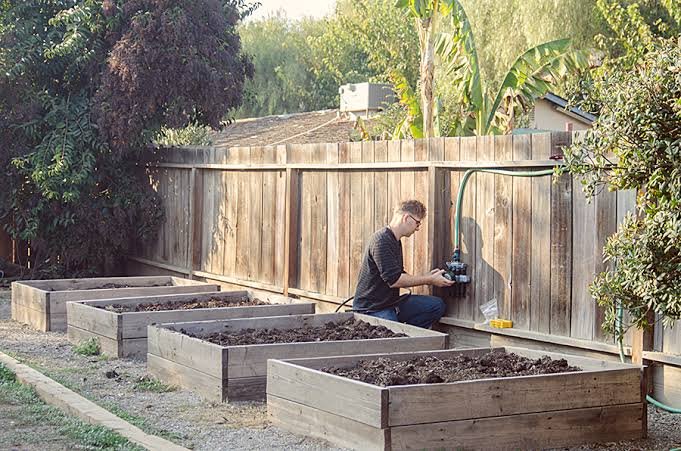
Raised beds help enormously for open garden spaces — even a 6-inch raise keeps roots above the worst of the waterlogging. For pots, make sure drainage holes aren’t blocked, and consider adding a layer of broken terracotta pieces or gravel at the bottom.
[link to related guide about soil mix for Indian gardens here]
Pest and Fungal Issues During the Rainy Season
Monsoon humidity is basically a welcome mat for fungal problems and certain pests. Powdery mildew, leaf spot, and slugs show up far more often between June and September than in drier months.
A neem oil spray, diluted about 5ml per liter of water, applied every 10-14 days keeps most fungal and pest issues in check without resorting to harsh chemicals. It’s not instant, but it works if you’re consistent.
Has your garden ever gotten hit by sudden yellow spots on the leaves overnight? That’s usually fungal, and it spreads fast in humid weather, so catching it early really does matter.
FAQ
Which flowers bloom best during monsoon in India? Balsam, hibiscus, and portulaca are among the most reliable, since all three tolerate consistent moisture and partial shade without much fuss, making them solid picks for balconies and open beds alike.
Can I grow vegetables during monsoon in pots? Yes, okra and amaranth greens both do well in containers as long as there’s good drainage, though raised beds or elevated pots work even better to avoid waterlogged roots.
Do succulents survive Indian monsoons outdoors? Generally not well — most succulents need to be moved under cover or indoors during heavy rain months, since prolonged wet soil leads to root rot within a couple of weeks.
How often should I water monsoon plants if it’s raining daily? Often you shouldn’t water at all if natural rainfall is consistent — check soil moisture with a finger test before adding extra water, since overwatering during monsoon is a bigger risk than underwatering.
What causes yellow spots on leaves during the rainy season? This is usually a fungal infection triggered by prolonged leaf wetness and humidity, and a neem oil spray applied every couple of weeks generally brings it under control if caught early.
Is it a good idea to start a new garden right at the start of monsoon? Yes, actually — monsoon is one of the best times to plant in most parts of India, since natural rainfall reduces the need for manual watering while roots establish themselves.
Wrapping Up
Choosing the right monsoon plants india conditions actually support saves you a lot of frustration come July and August. Flowering plants like balsam and hibiscus, foliage picks like caladium and coleus, and monsoon-friendly vegetables like okra and ridge gourd all hold up well once drainage is sorted out.
If you’re planning your garden for the 2026 rainy season, start with two or three of these picks rather than overhauling everything at once. See how they handle your specific balcony or plot, and build from there once you know what actually thrives in your space.