Most homeowners don’t think about their water treatment system very often. You turn on the tap, take a shower, run the dishwasher, and get on with your day. That’s the whole point, really. Good water treatment should quietly do its job in the background.
But when water starts leaving spots on dishes, making soap feel strangely ineffective, or developing an odd taste or smell, it suddenly gets your attention.
Choosing the right treatment equipment isn’t simply about buying the biggest filter you can afford. Different water problems call for different approaches, and even a high-quality system can disappoint if it isn’t properly sized, maintained or supported after installation.
The smartest approach is to look at the entire picture: your water source, the problems you’re actually experiencing, your household’s usage and what kind of support you’ll receive over the years.
Start With the Problem, Not the Product
It’s easy to walk into the process thinking, “I need a water filter.” But that’s a pretty broad statement.
Are you dealing with hard water? Is there sediment in the water? Do you dislike the chlorine taste? Are you concerned about a particular contaminant? Or do you simply want better-tasting drinking water?
Those questions matter because filtration and treatment technologies aren’t interchangeable.
A system designed to improve taste and odor isn’t necessarily intended to reduce hardness. Likewise, equipment designed for a private well may have very different requirements from a system connected to a municipal water supply.
Before spending money, have your water tested when appropriate. A test gives you something much more useful than a sales pitch: information.
Hard Water Is a Different Kind of Headache
Hard water is extremely common and can be frustrating in ways that seem minor at first.
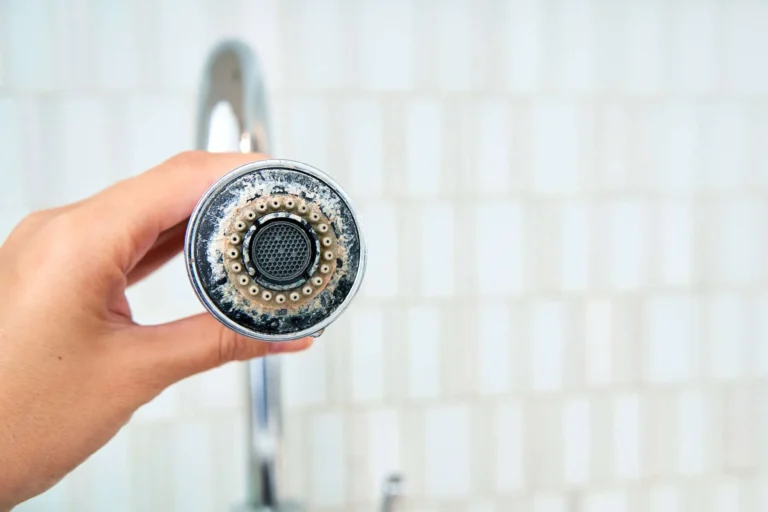
You might notice white scale around faucets, spots on shower doors or mineral deposits inside appliances. Soap and shampoo may seem harder to rinse away, and over time, scale can accumulate in plumbing and water-using equipment.
This is where water softeners can make a noticeable difference. Water softeners are designed to reduce hardness minerals such as calcium and magnesium, helping address the scale and soap-related issues associated with hard water.
But there’s an important distinction: a softener isn’t a universal water purifier.
If your concern is a specific contaminant, unpleasant taste or sediment, you may need a different treatment method alongside—or instead of—a softener. The right system depends on what your water test actually shows.
Why Whole-Home Filtration Can Be Worth Considering
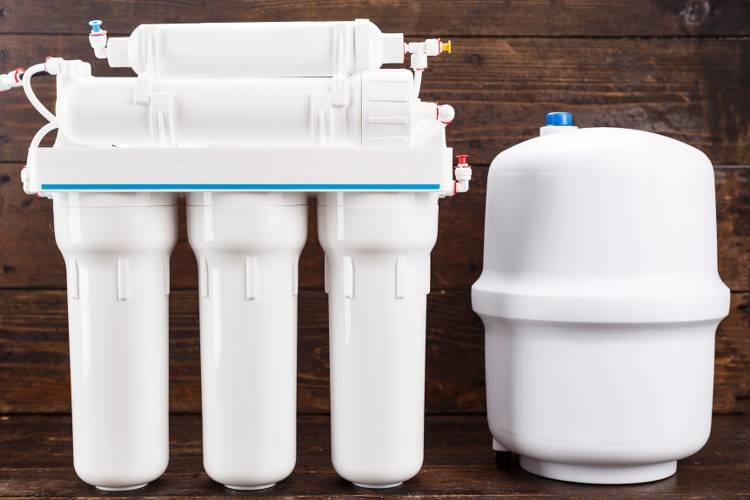
Some homeowners only care about the water they drink. In that case, a point-of-use filter, such as one installed beneath the kitchen sink, may be enough.
Others want treated water throughout the house.
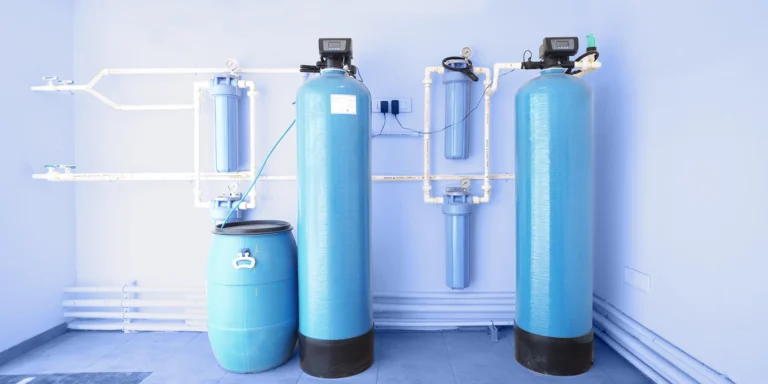
That’s where whole house water filters can be useful. These systems are installed at or near the main water entry point, allowing treated water to reach multiple fixtures around the home rather than only one faucet.
Think about the difference in everyday life. The kitchen tap gets filtered water, but so does the bathroom sink. The shower uses it too. So does the washing machine.
Whether that’s necessary for your home depends on the water-quality concerns you’re trying to address. Whole-house treatment can be especially appealing when an issue affects more than just drinking water.
Size Matters More Than You’d Expect
A treatment system isn’t simply “good” or “bad.” It needs to be appropriate for the household.
A small home with two occupants has very different water demands from a busy household with five or six people. Flow rate matters too. If several showers, faucets or appliances are running at once, an undersized system may struggle to keep up.
Ask about the system’s rated capacity and flow rate before installation. A reputable professional should be able to explain why a particular model is appropriate rather than simply pointing you toward the most expensive option.
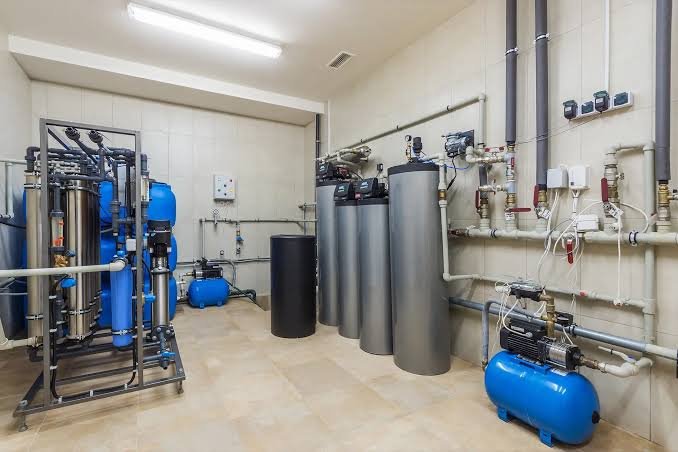
And don’t forget available space. Some treatment equipment requires room for tanks, filters, plumbing connections or drainage. A system can look perfect on paper and still be awkward if there’s nowhere sensible to put it.
Installation Is Only the First Step
Getting the equipment installed feels like the finish line. In reality, it’s the beginning of ownership.
Filters need replacing. Components need inspecting. Settings may occasionally need adjustment. And, inevitably, something may need attention at an inconvenient time.
That’s why ongoing service & support deserves consideration before you buy.
Ask what happens after installation. Is routine maintenance available? Can replacement filters or parts be sourced easily? Who do you contact if water pressure changes or the system begins behaving differently?
These questions aren’t particularly exciting when everything is working perfectly. Six months later, though, you’ll be glad you asked.
A company that disappears after collecting payment isn’t much help when you have a problem.
Don’t Forget About Maintenance
Every water treatment system has some form of maintenance, even if the requirements are fairly simple.
Filters have finite lifespans. Depending on the system, cartridges may need to be replaced at regular intervals. Some equipment may require periodic cleaning, sanitization or professional inspection.
Ignoring maintenance can reduce performance and, depending on the system and conditions, create additional problems.
The good news is that maintenance doesn’t have to become a major household chore. Put replacement dates on your calendar. Keep spare filters available when practical. Follow the manufacturer’s recommendations rather than waiting until water quality obviously changes.
A little routine attention can go a long way.
Be Skeptical of One-Size-Fits-All Sales Pitches
Water treatment is an industry where homeowners can encounter some pretty aggressive sales tactics. If someone tells you that every house needs exactly the same equipment, that’s a good reason to pause.
Your neighbor may love their system, but their water source, plumbing and household needs could be completely different from yours.
Look for a provider who asks questions before recommending equipment. They should want to know about your water source, testing results, household size and concerns. They should also explain what the proposed system does—and what it doesn’t do.
Transparency is valuable here.
The Best System Is the One You’ll Actually Maintain
There’s no prize for owning the most complicated water treatment setup.
A simpler system that addresses your specific water problem and fits comfortably within your maintenance budget may be a far better choice than an elaborate system filled with features you don’t really need.
Think about the long term. What will replacement parts cost? How frequently will service be required? Is the equipment supported locally? Can you get help when something goes wrong?
Those practical details often matter more than a shiny brochure.
Better Water Starts With a Better Decision
Improving your home’s water quality doesn’t need to feel overwhelming. Start with the water itself. Find out what you’re dealing with, understand which treatment technologies address those concerns, and then compare systems based on performance, installation, maintenance and long-term support.
Most importantly, don’t buy out of fear.
Good water treatment isn’t about chasing some vague idea of “perfect” water. It’s about solving real problems in a sensible way. When the equipment is properly matched to your home—and properly looked after—it becomes one of those improvements you barely notice.
And honestly, that’s a pretty good outcome. The best water treatment system is often the one you don’t have to think about much at all.