Water has a way of becoming invisible in our daily lives. We use it for coffee in the morning, cooking dinner, washing clothes, and filling the dog’s bowl without stopping to wonder what’s actually flowing through the pipes. Usually, that’s a good thing. But when water develops a strange taste, leaves orange stains, or starts affecting appliances, it may be time to look a little closer.
Water quality problems aren’t always obvious. Some can be noticed immediately, while others require proper testing to identify. Whether your home relies on a private well or a municipal supply, understanding your water can help you make sensible decisions about filtration, treatment, and ongoing maintenance.
Why Water Testing Is Worth Your Attention
A water test is more than a formality. It provides information that can help explain issues you may have been noticing around the house. Cloudiness, metallic taste, unpleasant odors, and mineral buildup can all point toward different causes, but guessing rarely leads to the right solution.
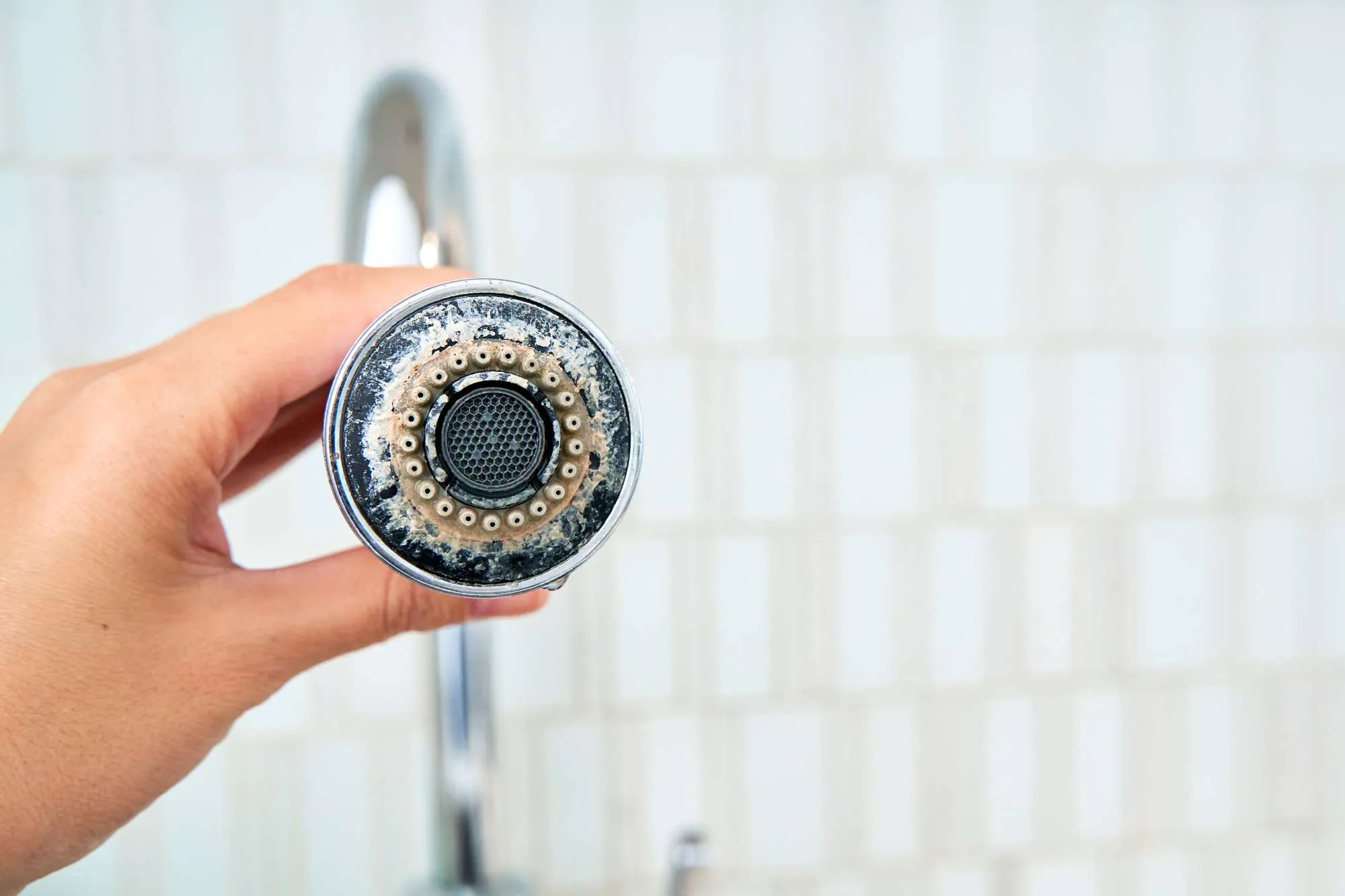
For example, hard water may leave white deposits on faucets and shower screens. Iron can cause reddish or brown staining. Chlorine may affect taste and smell, while sediment can make water appear cloudy. Other substances may not change the water’s appearance at all.
That’s why testing is useful even when your water looks perfectly clear. It replaces assumptions with measurable information and gives you a clearer starting point.
What Happens During an In-Home Water Test?
For homeowners who want a convenient first step, free in-home water testing may be an option offered by local water treatment companies. During a visit, a technician may collect a sample, discuss noticeable water concerns, and perform basic tests on-site.
Depending on the provider, testing may examine characteristics such as hardness, pH, chlorine, iron, total dissolved solids, or other common indicators. The exact tests offered can vary, so it’s worth asking what is included before scheduling an appointment.
An in-home visit can also help identify practical issues that a laboratory report alone might not explain. A technician may notice scale around fixtures, inspect existing treatment equipment, or ask whether certain problems occur throughout the house or only at one tap.
Still, an in-home screening should not automatically be treated as a complete safety assessment. Basic tests have limits, and some contaminants require specialized laboratory analysis.
Understanding the Difference Between Well Water and City Water
The source of your water matters. Homes using private wells and those connected to municipal systems can face different quality concerns, which is why well water & city water analysis should be approached with the source in mind.
Well water is drawn from underground and can be affected by local geology, agricultural activity, nearby septic systems, flooding, and changes in groundwater conditions. Depending on the area, homeowners may need to pay particular attention to bacteria, nitrates, iron, manganese, hardness, or other region-specific concerns.
City water is generally treated and monitored by the municipal supplier before reaching homes. However, water quality can still be influenced by aging plumbing, service lines, building pipes, or changes that occur after the water leaves the treatment facility. The quality at the source and the quality at the tap are not always exactly the same.
Testing recommendations should reflect these differences rather than treating every water supply as identical.
When Should You Consider Laboratory Testing?
Professional laboratory testing becomes especially important when you need reliable information about contaminants that basic home tests cannot adequately measure. A laboratory can use specialized methods to detect substances at low concentrations and provide documented results.
Homeowners may consider lab testing after a change in water taste or odor, flooding near a well, plumbing work, a suspected contamination event, or a recommendation from a public health authority. It may also be appropriate when buying a property with a private well or when a household member has a particular vulnerability that makes water quality especially important.
With third-party lab water testing, samples are analyzed independently by a laboratory rather than relying only on a treatment company’s own equipment or sales demonstration. This can provide an additional level of confidence, particularly when you want objective results before investing in a treatment system.
When selecting a laboratory, check whether it is properly accredited or certified for the tests you need. A lab’s qualifications should match the type of analysis being requested.
What Do Common Water Test Results Mean?
Water reports can look complicated at first, but many common measurements are fairly understandable once you know what they represent.
Hardness: Usually reflects calcium and magnesium levels. High hardness can contribute to scale, soap inefficiency, and mineral deposits.
pH: Indicates how acidic or alkaline the water is. It can affect corrosion, taste, and how certain treatment systems perform.
Iron and manganese: These minerals may cause staining, metallic tastes, or dark deposits, even when present at relatively low levels.
Chlorine: Often used in municipal water disinfection. It can affect taste and odor, although its presence must be interpreted in context.
Total dissolved solids: Represents the combined amount of dissolved substances in water. It can be useful as a general indicator, but it does not identify individual contaminants or prove that water is safe.
Bacteria and other contaminants: These require appropriate testing methods. A standard hardness or mineral test cannot determine whether water is microbiologically safe.
The key is to read results according to the test method, units, and relevant drinking-water guidelines—not just whether a number looks high or low.
Choosing Treatment After You Have the Results
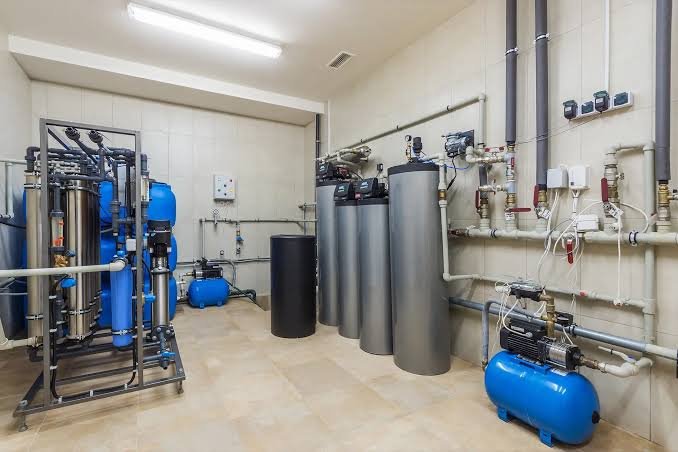
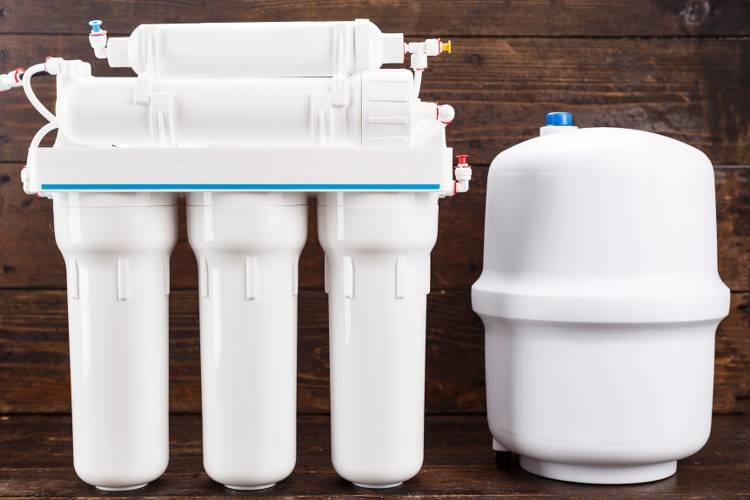
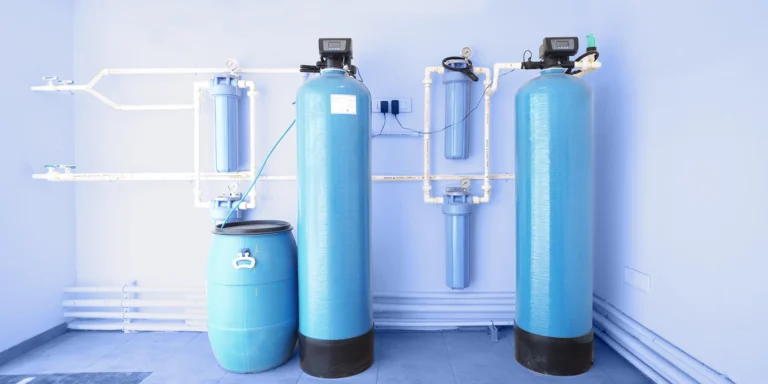
Once testing is complete, the next step is understanding what action, if any, is needed. A water softener may be appropriate for hardness-related problems, while activated carbon filtration may help improve certain tastes and odors. Reverse osmosis can be useful for reducing specific dissolved substances at a drinking-water point, depending on the system and the water chemistry.
For microbial concerns, treatment options must be selected carefully and matched to the actual risk. Ultraviolet systems, chemical disinfection, or other methods may have a role, but no technology should be chosen simply because it sounds comprehensive.
A reputable professional should explain which contaminants a system is designed to reduce, what it cannot remove, and how performance will be maintained. If the recommendation seems unrelated to your test results, ask for a clearer explanation.
Testing Is Not a One-Time Conversation
Water conditions can change. A private well may be affected by heavy rainfall, nearby construction, flooding, or changes in the surrounding environment. Plumbing materials can also influence water quality over time.
For that reason, periodic testing may be sensible, especially for private-well owners or households with known water-quality concerns. Keep copies of previous reports so you can compare results and notice meaningful changes.
If you already have a treatment system, testing can also help determine whether it is still doing its intended job. Replacing filters on schedule is important, but testing provides a more reliable picture than maintenance by assumption alone.
A Clearer Path to Better Water Decisions
Water testing doesn’t need to be intimidating. Whether you begin with an in-home screening or arrange independent laboratory analysis, the goal is the same: to understand your water before making decisions about it.
The right test can explain persistent problems, identify concerns that aren’t visible, and help you avoid buying equipment you may not need. More importantly, it gives you a factual foundation for protecting your home’s plumbing and making informed choices about the water your household uses every day.
A little curiosity now can save a great deal of confusion later. After all, knowing what’s in your water is the first step toward deciding what, if anything, should be done about it.