If you’ve scrolled Pinterest lately and felt a bit lost, you’re not alone. One day everything’s supposed to be all-white and minimal, the next it’s maximalist with clashing patterns everywhere. So what’s really happening with interior design trends 2026? After talking to a few designer friends and poking around dozens of Indian homes this year, I can tell you the honest answer: it’s less about a single “look” and more about comfort, texture, and a bit of personality creeping back in. Let’s get into what’s actually worth paying attention to — and what you can safely ignore.
Warm Minimalism Is Replacing Cold, Stark Spaces
Minimalism isn’t dead. It just got a personality transplant.
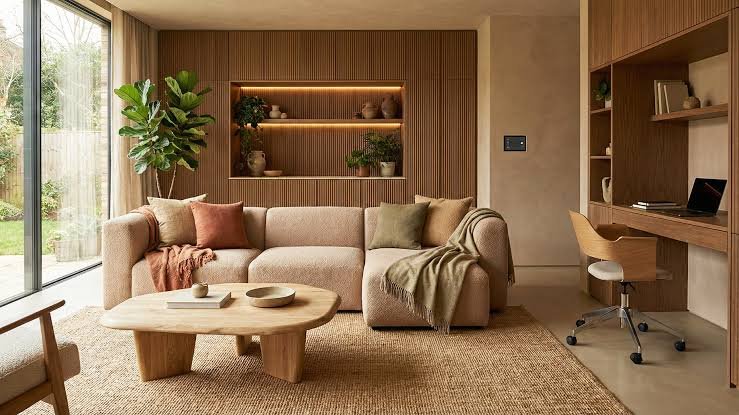
Interior design trends 2026 are moving away from the sterile, all-white boxes we saw a few years back. Think fewer objects, but warmer materials — think oak, linen, terracotta — instead of glossy white everything.
Here’s a quick way to picture it: instead of a stark white living room with a single black accent chair, imagine the same room in warm ivory walls, a jute rug, and wooden furniture with visible grain. Same restraint, completely different feeling.
Quick answer: Warm minimalism in 2026 means keeping spaces uncluttered but swapping cold whites and glossy finishes for natural materials like wood, linen, and clay tones — so rooms feel calm without feeling empty.
A few ways to bring this into your home:
- Swap glossy laminate for a matte or wood-textured finish on at least one wall or piece of furniture
- Add one natural-fiber rug (jute, sisal, or a chunky wool blend)
- Limit your colour palette to 3 tones max, but make sure at least one is warm (terracotta, ochre, rust)
Curved Furniture Is Everywhere (And It’s Not Just a Fad)
I was skeptical about curved sofas when they first showed up. Too trendy, I thought — the kind of thing that’ll look dated in two years. I’ve changed my mind.
Rounded edges on sofas, coffee tables, even mirror frames, are dominating interior design trends 2026 because they genuinely make small rooms feel less boxy. Sharp 90-degree corners everywhere can make a compact Indian apartment feel tighter than it is.
Picture a 1BHK in Pune with a rectangular sofa jammed against the wall. Swap that for a gentle curved two-seater, and suddenly there’s visual breathing room, even though the square footage hasn’t changed an inch.
Not every piece needs to be curved — that gets expensive fast. Start with one statement piece: a curved coffee table (₹8,000–₹15,000 range for decent quality) or a rounded mirror.
Bold, Saturated Colour Is Making a Comeback on Accent Walls
For years, the safe advice was “stick to neutrals, they sell better.” That’s still mostly true if you’re planning to sell your home soon. But if you’re decorating for yourself? Go bold.
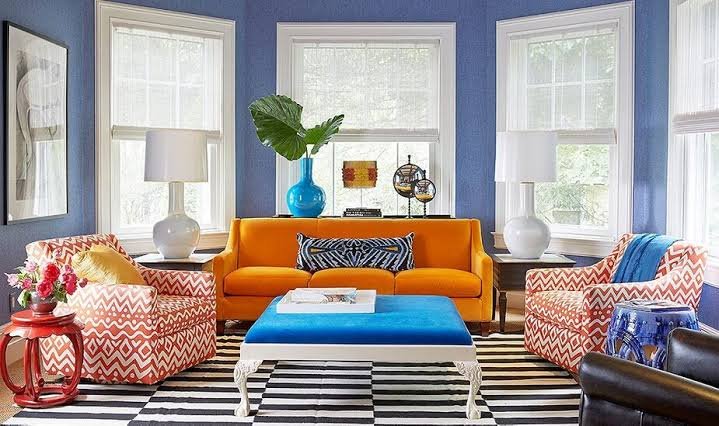
Deep greens, rusty oranges, even a moody navy — these are showing up on single accent walls across a lot of the homes I’ve seen photos of this year. It’s a low-commitment way to experiment without repainting the whole flat.
Interior design trends 2026 favour one bold wall over an entire bold room. It’s a smarter, more forgiving approach for renters too, since you’re only repainting one surface if you move out.
Sustainable and Local Materials Are No Longer Just a “Nice to Have”
This one matters more in India than a lot of trend lists give credit for.
More homeowners are asking specifically for reclaimed wood, handloom textiles, and locally sourced stone instead of imported marble or mass-produced furniture. Part of it is cost — imported materials have gotten noticeably pricier. Part of it is genuine interest in supporting local craft.
Quick answer: Sustainable materials in 2026 interior design mean prioritising local, reclaimed, or handmade over imported and mass-produced — driven both by rising import costs and growing interest in supporting Indian artisans and craft traditions.
A few practical swaps:
- Choose handloom cushion covers over printed polyester ones — they cost a bit more but last years longer
- Ask your carpenter about reclaimed or FSC-certified wood before defaulting to plywood laminate
- Look for local stone (Kota, Jaisalmer, Makrana) instead of imported marble for flooring — often 30-40% cheaper and just as striking
Multi-Functional Furniture for Compact Homes
Anyone living in a metro city already knows this isn’t optional — it’s survival. But 2026 is seeing better-designed versions of it, not just the clunky sofa-cum-bed we grew up with.
I’ve noticed brands finally paying attention to how these pieces actually look, not just how they fold. Storage ottomans that don’t look like storage ottomans. Extendable dining tables that seat 4 comfortably and 8 when needed, without looking awkward at either size.
If you’re working with a small space, prioritise:
- A bed with built-in drawer storage (saves buying a separate wardrobe extension)
- A console table that doubles as a work-from-home desk
- Nesting stools instead of a bulky coffee table plus extra chairs
Textured Walls Instead of Flat Paint
Flat paint is starting to feel a little boring, honestly. Lime plaster finishes, micro-cement, and textured wallpaper are getting a lot more attention in interior design trends 2026, especially for bedrooms and accent areas.
The appeal is tactile — a wall you actually want to run your hand across. It also hides minor imperfections better than flat paint does, which is a real bonus in older buildings.
Statement Lighting as the Room’s Focal Point
Lighting used to be an afterthought — pick a functional tube light, done. Not anymore.
Sculptural pendant lights, oversized floor lamps, and layered lighting (ambient plus task plus accent) are becoming the actual centrepiece of a room’s design, sometimes even more than the furniture.
[link to related guide about choosing the right pendant light size here]
A cheap way to test this trend: replace one plain ceiling light with a single statement pendant over your dining table. It changes the whole room’s mood for a fraction of a full renovation cost.
Biophilic Design — Bringing the Outdoors In
Plants indoors isn’t new. What’s new in 2026 is doing it more intentionally — vertical gardens, living walls, and even small indoor water features in larger homes.
[link to related guide about low-maintenance indoor plants for Indian homes here]
Even in a small apartment, 3-4 well-placed plants (money plant, snake plant, ZZ plant — all famously hard to kill) can shift a room from “furnished” to “lived-in.”
Personalised, Layered Spaces Over Matchy-Matchy Sets
This is maybe my favourite shift. For years, the advice was to buy a matching sofa set, matching curtains, matching everything. That look is fading, thankfully.
Interior design trends 2026 are leaning into rooms that look collected over time — a vintage piece mixed with something new, mismatched cushion covers that still share a colour family, art that actually means something to the people living there instead of generic canvas prints.
[link to related guide about mixing old and new furniture styles here]
Has your home ever felt like a furniture showroom instead of an actual home? That’s usually the “too matchy” trap. Break it up a little.
FAQ: Your Questions on 2026 Interior Design Trends
Q: What is the most popular interior design style in 2026? Warm minimalism is probably the single biggest theme — clean and uncluttered, but with natural materials and warmer tones instead of the stark white-on-white look from a few years ago.
Q: Are bold colours coming back in home interiors? Yes, but mostly in a controlled way — think one accent wall or a few statement pieces, not entire rooms painted in deep colour. It’s a lower-risk way to experiment.
Q: Is curved furniture just a passing trend? It’s holding up better than expected, especially in smaller homes where softened edges genuinely help a room feel less cramped. I’d call it a safe medium-term investment, not a fad.
Q: How can I update my home’s interior design on a budget? Start small — one accent wall, a textured cushion swap, a statement light fixture, or a few well-placed plants. You don’t need a full renovation to reflect these trends.
Q: What flooring works well with 2026 interior design trends? Natural-toned wood finishes, local stone like Kota or Jaisalmer, and matte textures all pair well with the warm minimalism trend. Avoid high-gloss finishes if you want that warmer, calmer look.
Q: Do I need to hire an interior designer to follow these trends? Not necessarily. Most of these — accent walls, plants, one statement furniture piece — are DIY-friendly. A designer helps more with layout-heavy changes like built-in storage or lighting plans.
Final Thoughts
2026 isn’t asking you to throw out your furniture and start over. It’s really about a few honest shifts: warmer materials instead of stark white, one bold colour choice instead of an entire theme, furniture that curves instead of jabs into your shins in a small hallway, and rooms that feel like they belong to the people living in them rather than a showroom catalogue.
Pick one or two ideas from this list that actually fit your space and your budget, and start there. You don’t need to chase every trend at once — that’s how you end up with a home that feels like a mood board instead of somewhere you actually want to sit down and relax.