Water is easy to take for granted. You turn on the tap, fill a glass, start the washing machine, or step into the shower, and you expect everything to work as it should. Most of the time, it does. But when water starts leaving spots on your dishes, creating scale around fixtures, or tasting a little strange, you begin to notice just how much of daily life depends on it.
The good news is that water treatment doesn’t have to be mysterious. There are different technologies designed for different water-quality concerns, and understanding the basics can make choosing a system much less overwhelming.
The important thing is not to buy the first product that promises “perfect water.” Start by figuring out what your water actually needs.
Hard Water Can Be a Quiet Household Problem
Hard water is one of the most common reasons homeowners start looking into treatment. It contains higher concentrations of minerals such as calcium and magnesium. These minerals aren’t usually dangerous at typical levels, but they can certainly be a nuisance around the house.
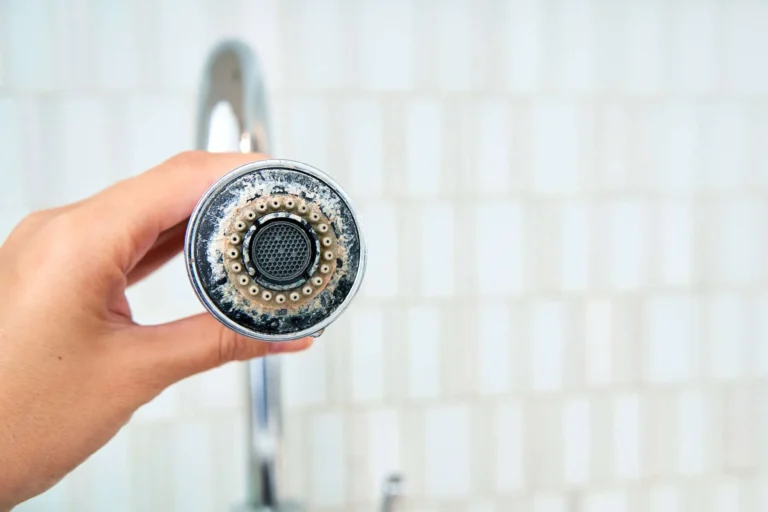
White deposits around faucets, cloudy glassware, soap that doesn’t seem to lather properly and scale inside water-using appliances are familiar signs. You might clean everything on Sunday and, somehow, by Wednesday the faucet looks like it has aged ten years.
A water softener is designed to reduce hardness by exchanging calcium and magnesium ions for other ions, commonly sodium or potassium. When properly sized and maintained, a softener can help reduce scale and make water feel noticeably different during bathing and cleaning.
Still, softening isn’t automatically the answer for every home. If hardness isn’t your primary concern, another type of treatment may be more appropriate.
Filtration and Softening Aren’t the Same Thing
This distinction is worth understanding before spending money on equipment.
A water softener primarily addresses hardness. Filtration, on the other hand, is used to reduce particular substances from water depending on the filter technology. Activated carbon, for example, is commonly used to improve taste and odor and reduce chlorine. Sediment filters can capture particles such as sand or rust.
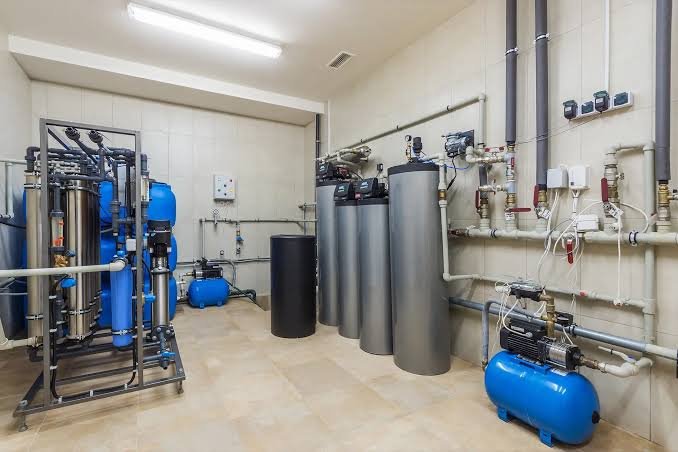
A whole house water filtration system treats water at a central point so filtered water can be distributed throughout the property. That’s different from a small point-of-use filter attached to a single kitchen faucet.
Whole-house filtration can be especially convenient for families who want treated water at showers, bathroom sinks, laundry areas and other fixtures, rather than limiting treatment to drinking water.
But don’t assume that one filter removes everything. Different contaminants require different treatment technologies, and filter performance depends on the specific product. Checking testing data, certifications and replacement requirements is far more useful than relying on vague marketing language.
What About Drinking Water?
Whole-house treatment and drinking-water treatment often work best as complementary solutions rather than competitors.
You may want to improve the quality of water throughout your property while giving your kitchen drinking water an additional level of treatment. That’s where reverse osmosis is often considered.
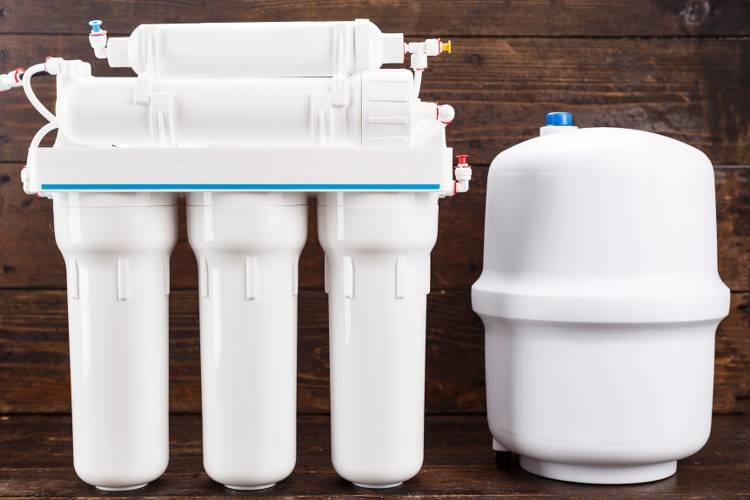
A reverse osmosis system uses a semipermeable membrane to separate water from many dissolved substances. Depending on the system and its configuration, reverse osmosis can reduce certain salts, minerals and other contaminants that conventional filtration may not address as effectively.
It can be a particularly appealing option for drinking and cooking water. However, reverse osmosis systems aren’t maintenance-free. Filters and membranes need replacement according to the manufacturer’s recommendations, and installation may include a storage tank or a dedicated faucet.
There’s no shame in keeping it simple, either. If your main concern is taste, you might not need an elaborate drinking-water setup. If testing identifies specific contaminants, however, more targeted treatment can make sense.
Test First, Shop Second
This might be the least exciting advice, but it’s probably the most useful.
Test your water before choosing equipment.
A water test can help identify hardness, pH, chlorine, sediment and, depending on the testing method, other substances that may affect water quality. If you’re using private well water, testing becomes even more important because water conditions can vary and may change over time.
Knowing what’s present allows you to match treatment technology to the actual problem. Otherwise, it’s easy to spend hundreds or thousands of dollars on equipment that looks impressive but doesn’t address what you’re concerned about.
Think of it like buying glasses. You wouldn’t choose a prescription before having your eyes checked. Water treatment works in much the same way.
Consider Your Household’s Water Use
The right system also depends on how your home operates.
A couple living in a smaller property won’t necessarily have the same water demands as a household with several bathrooms and a large family. Peak water usage matters because treatment equipment needs to keep up when several fixtures are running at once.
Ask yourself a few practical questions. How many people use the water every day? How many bathrooms are in the house? Do you frequently run the dishwasher and washing machine at the same time? Are there appliances that rely heavily on water?
These details help determine appropriate system capacity.
Space is another consideration. Water treatment equipment can require room for installation, servicing and replacement components. A system that technically fits into a corner isn’t very convenient if a technician can barely reach it.
Maintenance Is Part of the Deal
Every water treatment system needs some attention. Filters need replacing. Softener salt or other consumables need replenishing. Reverse osmosis membranes eventually wear out. Components may need inspection or servicing.
It’s easy to overlook maintenance when you’re focused on the initial installation, but long-term upkeep affects both performance and cost.
Before purchasing, ask exactly what maintenance involves and how often it’s required. Find out whether replacement filters are readily available and whether professional service is offered.
A good system isn’t just one that performs well on installation day. It should remain practical several years down the road.
Don’t Let Technology Make the Decision for You
Water treatment companies use plenty of impressive terminology, and some systems genuinely are quite sophisticated. But more technology doesn’t always mean better results.
The goal is simpler than that: treat the water according to its needs.
For one household, that might mean addressing hard water. Another may benefit from whole-house filtration. Someone else may want additional treatment for drinking and cooking water. In some cases, combining technologies is reasonable; in others, it’s unnecessary.
Take your time. Ask questions. Get the water tested. Compare ongoing maintenance costs, not just the purchase price.
Ultimately, good water treatment should make life easier, not more complicated. You should be able to turn on the tap without thinking twice, enjoy a shower without scrubbing away layers of scale afterward, and pour yourself a glass of water that tastes the way you expect.
That’s really the point. Not fancy equipment sitting quietly in a utility room, but better water becoming such an ordinary part of your day that you hardly notice it anymore.