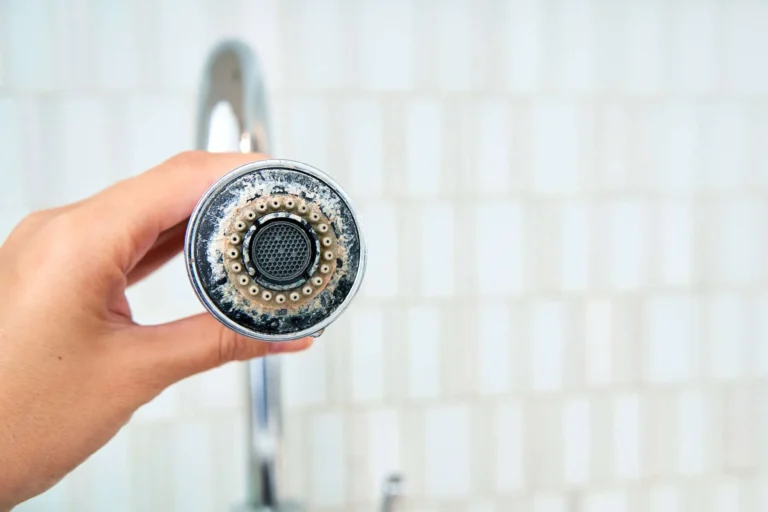
Water has a way of becoming noticeable only when something goes wrong. A showerhead gets covered in scale, the kitchen tap develops an odd taste, or the washing machine seems to need more detergent than it used to. These little problems can be frustrating, especially when they keep returning no matter how often you clean.
For many homeowners, the answer involves looking into a water treatment system. But choosing one isn’t as simple as picking the most expensive model or trusting a broad promise on a product label. Water quality varies, household needs differ, and each treatment method has a specific purpose. A little understanding before making a purchase can save money, reduce maintenance headaches, and lead to better results.
Begin With a Clear Picture of Your Water
The first step is to understand the water entering your home. Municipal water and private well water can have very different characteristics. Even if your neighbors use similar treatment equipment, their water may not have exactly the same mineral content or contamination concerns.
A water test can help identify issues such as hardness, sediment, chlorine, iron, pH, and other substances. The appropriate test depends on your water source and local conditions. You don’t need to become a laboratory technician, but knowing what you’re dealing with makes the rest of the decision much easier.
For example, hard water may leave chalky deposits on faucets and shower glass. Sediment may cause cloudiness or clog fixtures. An unpleasant taste could be related to chlorine or another water quality issue. These problems can overlap, but they shouldn’t automatically be treated as the same thing.
What Water Softeners Actually Do
Hard water is one of the most common reasons people explore treatment options. It contains elevated levels of minerals, particularly calcium and magnesium. Over time, those minerals can create scale inside pipes, water heaters, dishwashers, and other appliances.
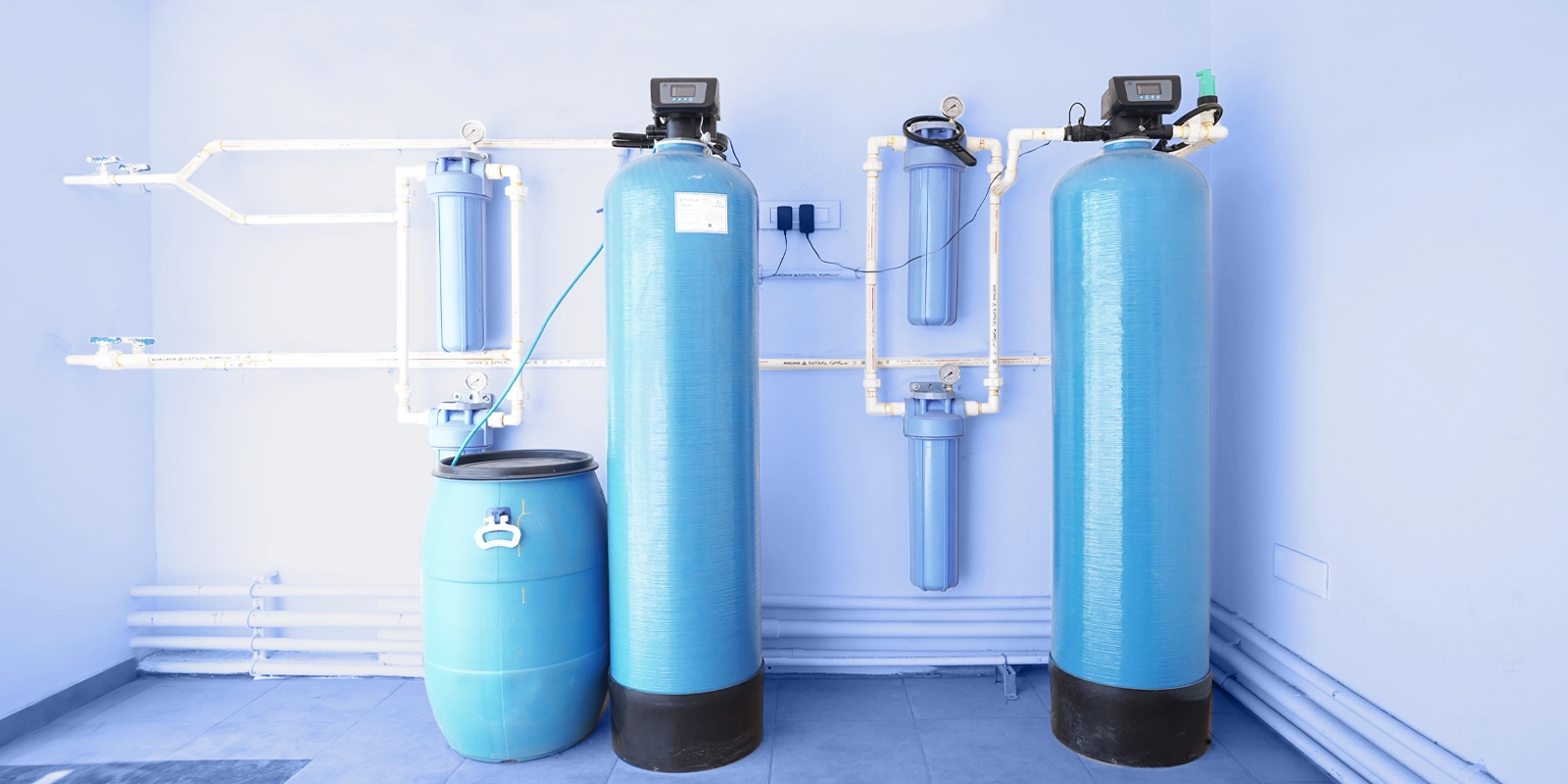
Water softeners are designed primarily to reduce hardness minerals, usually through a process called ion exchange. In a traditional salt-based system, calcium and magnesium are exchanged for sodium or potassium ions. The result is water that is less likely to form scale and may work more effectively with soaps and detergents.
That doesn’t mean every home needs a softener. If hardness is low, the benefits may be limited. And if the main concern is a taste, odor, or a specific contaminant, a softener alone may not address it. Testing first is the sensible route.
Understanding Salt and System Maintenance
Traditional water softeners need regular maintenance to continue working properly. One of the most familiar tasks is keeping the brine tank supplied with salt. The amount used depends on the system, the hardness of the water, and how much water the household consumes.
For busy homeowners, salt delivery can make this responsibility easier. Instead of remembering to purchase and carry heavy bags of salt, some providers offer scheduled or on-demand delivery services. This can be particularly convenient for larger households or people who prefer a more hands-off approach to maintenance.
Still, salt is only one part of softener care. Systems may also need cleaning, inspections, adjustments, or occasional repairs. Ask the provider what maintenance is included and what you’ll be expected to handle yourself. Clear expectations are helpful from the start.
Filtration Is About Targeting Specific Concerns
Water filtration is often discussed as if it were one universal solution, but filtration technologies vary considerably. Different filters are designed to reduce different substances, and their performance depends on the filter media, water conditions, and installation.
Activated carbon filters are commonly used to improve taste and reduce chlorine. Sediment filters can capture particles such as sand, dirt, and rust. Other specialized systems may target substances such as iron, sulfur, or certain dissolved contaminants. The important thing is to match the filter to the actual issue.
When comparing water filters & filtration systems, look for clear information about what the equipment is designed to reduce. Be cautious of vague claims that suggest one filter can remove every possible contaminant. A trustworthy product should explain its capabilities, limitations, replacement schedule, and any relevant testing or certification.
Whole-Home or Point-of-Use?
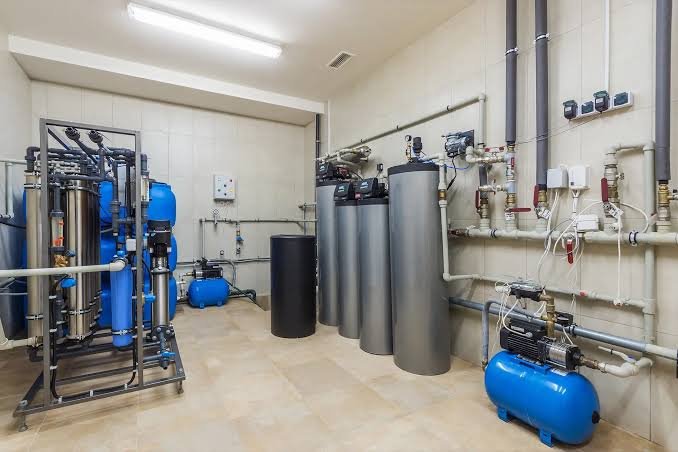
One practical question is where you want treated water. A whole-home system is installed at the main water entry point and can treat water used throughout the property. This may be useful when hard water, sediment, or other concerns affect showers, laundry, appliances, and multiple fixtures.
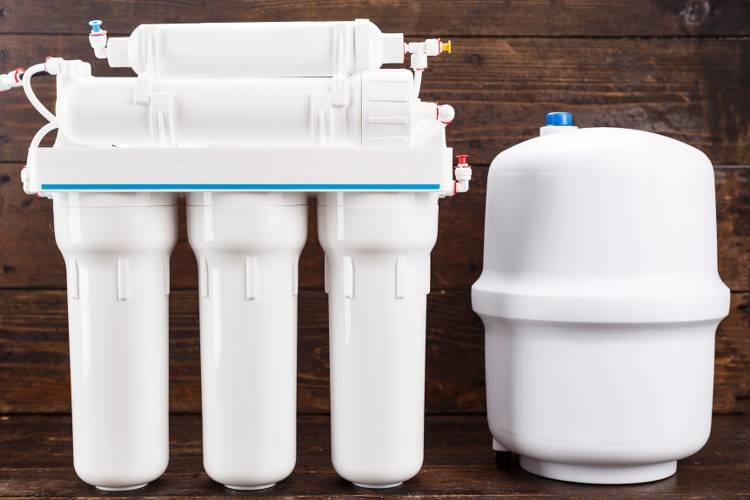
Point-of-use systems, such as under-sink filters, focus on a specific outlet. They can be a convenient option when the main priority is drinking and cooking water. Some households use a combination: a whole-home softener for hardness and a dedicated kitchen filter for drinking water quality.
Think about your actual routine. If scale is damaging bathroom fixtures, treating only the kitchen tap won’t solve the whole problem. On the other hand, if your water is generally fine but you dislike its taste, a full-property installation may be more than you need.
Installation Should Be Planned Carefully
A water treatment system needs more than a space on the floor and a connection to the plumbing. Depending on the equipment, installation may require a drain line, electrical power, bypass valves, or adjustments to existing pipes. Some systems also need enough clearance for filter changes or salt refills.
Professional installation can help ensure the equipment is correctly sized and connected. Flow rate is especially important. A system that works well under light usage may struggle if several showers, appliances, and taps are running at once.
Before agreeing to an installation, ask about water pressure, expected flow, warranty coverage, and what happens if the system needs servicing. A good installation should account for how your household actually uses water, not just the specifications on a brochure.
Don’t Forget the Cost of Ownership
The initial purchase price can be tempting, but it doesn’t tell the whole story. Replacement filters, salt, electricity, repairs, and periodic servicing all contribute to the long-term cost.
A cheaper system may become expensive if replacement parts are difficult to find or need to be changed frequently. An oversized system may also use more resources than necessary. The goal is to find a balance between performance, reliability, maintenance, and affordability.
Ask for a written estimate and check whether installation, follow-up service, and replacement parts are included. It’s also worth asking how long common components are expected to last. A transparent provider should be comfortable discussing these details.
When Repair Makes More Sense Than Replacement
If you already own a water treatment system, don’t assume every problem means it’s time for a new one. Reduced water flow, unusual noises, leaks, poor taste, or recurring scale can sometimes be caused by a worn component, an exhausted filter, incorrect settings, or a maintenance issue.
An inspection may reveal that a simple repair or adjustment is enough. In other cases, older equipment may genuinely be inefficient or unsuitable for the home’s current needs. The important thing is to understand the cause before spending money.
A qualified technician can assess the system, explain the available options, and help you decide whether repair, upgrading, or replacement is appropriate. That kind of practical advice is often more valuable than a sales pitch.
A Better System Starts With the Right Questions
Choosing a water treatment system doesn’t have to be complicated, but it should be thoughtful. Start by testing your water, identify the main concern, and learn which technology is designed to address it. Then consider installation, maintenance, operating costs, and the long-term support available.
The right system won’t necessarily be the newest or most expensive option. It will be the one that fits your water quality, household habits, and budget without creating unnecessary work.
When chosen carefully and maintained consistently, water treatment equipment can make everyday living more comfortable. Cleaner fixtures, better-performing appliances, and more pleasant-tasting water may seem like small improvements, but together they can make a noticeable difference in how your home feels and functions.