Clean water is easy to take for granted. We turn on the tap, fill a glass, wash vegetables, or start the coffee maker without giving much thought to what might be flowing through the pipes. But water quality can vary considerably from one home to another. Even water that looks perfectly clear may contain dissolved minerals, disinfectants, or other substances that affect its taste, smell, and everyday use.
That’s why choosing a water treatment system should begin with understanding the water itself. Filtration, softening, and reverse osmosis each serve different purposes. Knowing where they fit can help homeowners avoid spending money on equipment that doesn’t address their actual concerns.
What May Be Present in Your Water?
Water quality depends on its source, treatment process, plumbing infrastructure, and surrounding environment. Municipal water supplies are commonly disinfected before reaching homes, while private wells may contain naturally occurring minerals or other substances picked up underground.
Some homeowners are particularly concerned about chlorine, fluoride, pfas, and other contaminants. These are not all the same type of substance, and they cannot necessarily be removed by one standard filter. Chlorine, for example, is commonly used as a disinfectant, while fluoride may be intentionally added to some public water supplies. PFAS refers to a broad group of manufactured chemicals that require treatment methods designed for their specific properties.
The important point is that no single system removes everything. A water test and a review of the local water quality report can help identify which treatment technologies make sense.
Filtration: Improving Taste and Reducing Certain Impurities
Water filtration is often the first solution homeowners consider, and for good reason. Filters can help reduce sediment, unpleasant tastes, odors, and certain contaminants, depending on the filter media and its design.
Activated carbon filters are widely used to reduce chlorine and improve the taste and smell of drinking water. Sediment filters, on the other hand, are designed to capture particles such as sand, silt, and rust. Some advanced filters are engineered to target specific contaminants, but their performance depends on proper installation and timely replacement.
A filter’s micron rating, flow rate, capacity, and certification all matter. A product that looks impressive on the shelf may not be suitable for a home with heavy sediment or unusually high contaminant levels. In other words, the right filter is the one that matches the problem, not simply the one with the longest list of claims.
Understanding Whole-Home Reverse Osmosis
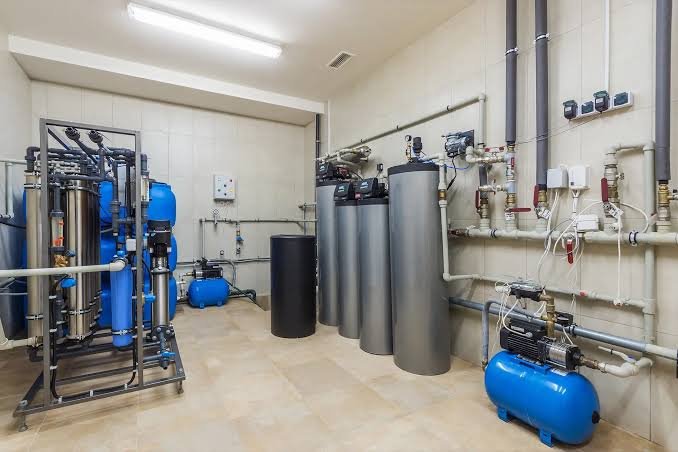
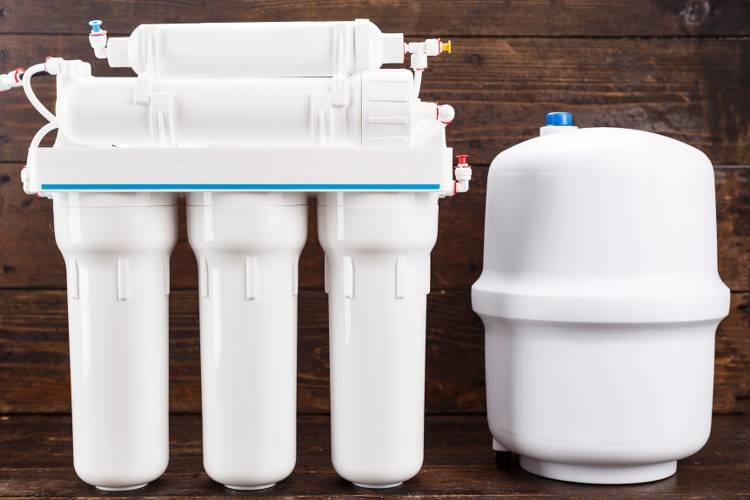
Reverse osmosis is a treatment process that uses pressure to push water through a semipermeable membrane. The membrane can reduce many dissolved substances, including certain salts, metals, and other contaminants. It is often used for drinking water, but some homeowners also explore whole-home reverse osmosis when they want treated water throughout the property.
A whole-home system can provide highly treated water for showers, laundry, cooking, and other household uses. However, it is a more involved installation than an under-sink reverse osmosis unit. System sizing, water pressure, storage capacity, wastewater production, and plumbing compatibility all need careful consideration.
Reverse osmosis may also remove minerals that are not necessarily harmful and can affect water’s taste. In some installations, remineralization is added to improve flavor and balance. Homeowners should also understand that reverse osmosis is not automatically the best answer for every water concern. A targeted system may be more practical depending on the test results and the household’s goals.
The Role of Water Softeners
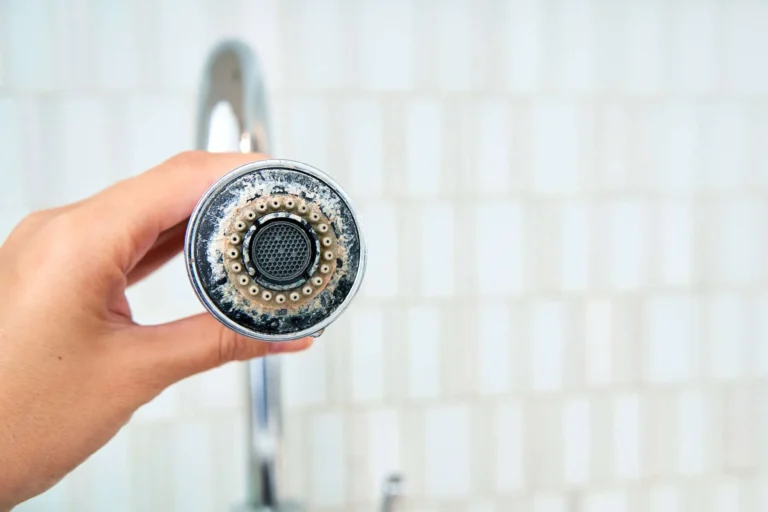
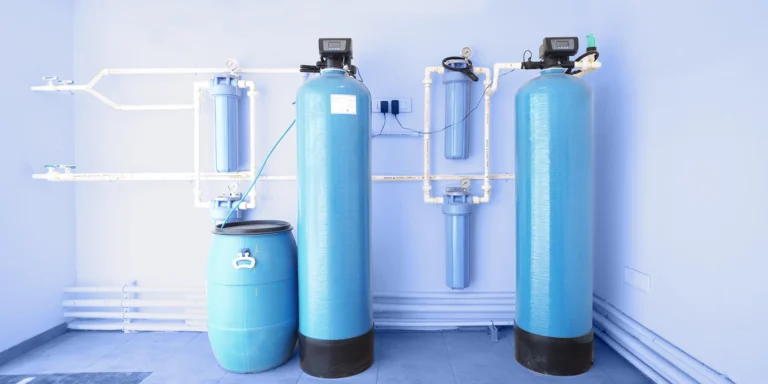
Water softeners are designed primarily to reduce hardness caused by calcium and magnesium. These minerals can create scale inside pipes and appliances, leave spots on fixtures, and make soaps less effective.
Modern high-efficiency water softeners are designed to use water and regenerant more carefully than older systems. Features such as demand-initiated regeneration allow the unit to regenerate based on actual water usage rather than following a fixed schedule. This can reduce unnecessary water consumption and improve operating efficiency.
Still, efficiency depends on correct sizing and programming. An undersized unit may regenerate too often, while an oversized one may not operate as economically as expected. Water hardness, household size, daily usage, and local water conditions should all be considered before installation.
It’s also worth remembering that softeners do not function as complete purification systems. They address hardness, not every contaminant that may be present in the water.
Do You Need More Than One Treatment System?
Sometimes, yes. Different water problems often require different technologies. For example, a home might use a sediment filter to protect plumbing, a carbon filter to improve taste, a softener to reduce hardness, and a reverse osmosis system for drinking water.
This layered approach can be more effective than expecting one device to handle everything. But adding equipment without a clear reason can create unnecessary maintenance, expense, and complexity. The goal should be a balanced treatment setup that solves identified problems without overcomplicating the home’s water system.
A qualified water treatment professional can review test results and explain which components are essential, optional, or unnecessary. Ask about maintenance schedules, replacement filter costs, water usage, warranties, and expected performance—not just the initial installation price.
Maintenance Is Part of Water Quality
Even a well-designed water treatment system needs attention. Filters eventually become saturated, softeners require periodic replenishment and cleaning, and reverse osmosis membranes have a limited service life. Ignoring maintenance can reduce performance and, in some cases, create new water quality concerns.
Homeowners should keep track of filter replacement dates and follow the manufacturer’s instructions. If water taste changes, pressure drops, or unusual odors return, that may be a sign that the system needs inspection.
Regular testing is also useful when water conditions change. Well owners, in particular, may benefit from periodic testing because groundwater quality can shift over time.
Making a Smarter Choice for Your Home
Choosing water treatment equipment doesn’t have to be confusing, but it does require a little patience. Start by identifying the issue, confirm it through reliable testing, and then compare technologies based on what they are actually designed to do.
Filtration, reverse osmosis, and water softening each have a place in a well-planned home water system. When selected carefully and maintained properly, they can improve water’s taste, protect plumbing, and make everyday household tasks more comfortable.
The best solution isn’t necessarily the most expensive or the most complicated. It’s the one that addresses your home’s real water quality needs and continues to perform reliably long after installation.